

On a boat, the LPG (Liquid Petroleum Gas) system is under immense pressure—up to 6 bar (90 PSI) directly from the cylinder. The regulator is the only thing standing between that dangerous pressure and your delicate galley appliances.
At Marine Heating Solutions, our Gas Safe engineers specialise in marine LPG installations that meet the rigorous BS EN ISO 10239:2025 standards and the UK Gas Safety (Installation and Use) Regulations.
1. The Role of the LPG Cylinder Regulator
The regulator’s primary job is to reduce the high pressure from the gas bottle down to a stable 37mbar (for Propane) or 28mbar (for Butane).
In a marine environment, regulators face unique challenges:
- Corrosion: Salt air and damp gas lockers can seize the internal diaphragm.
- Flow Rates: The regulator must maintain a steady flame on your hob even when your LPG Cooker is drawing full power.
- Vibration: Constant engine and water movement can loosen connections if not professionally installed to the latest ISO 10239:2025 safety specifications.
2. What is an OPSO Device? (The Life-Saver)
Since 2014, all new marine LPG installations require an Over Pressure Shut Off (OPSO) device.
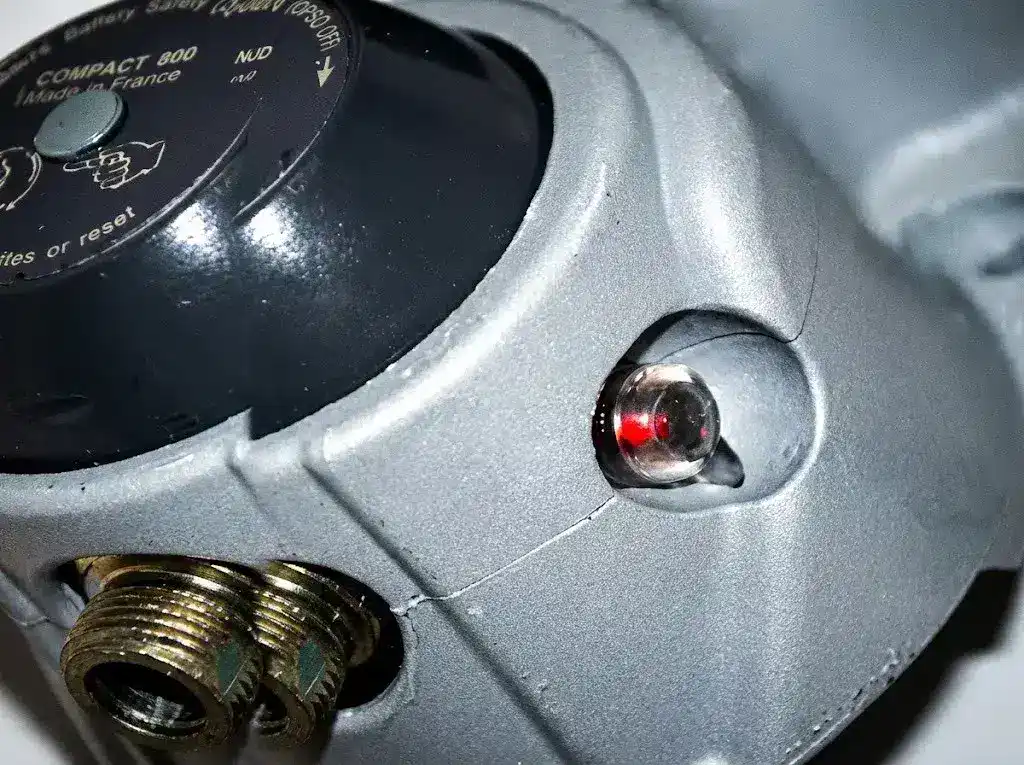
If the main regulator diaphragm fails, high-pressure gas could rush into your appliances, causing massive flares or even explosions. The OPSO acts like a “circuit breaker” for your gas. It detects the surge and instantly snaps shut, stopping the flow of gas before it reaches the cabin.
How to tell if your OPSO has tripped: Most modern marine regulators (like those from Clesse or Truma) have a visual indicator. If you have gas in the bottle but nothing at the cooker, check the regulator for a red tab or button. Important: If it has tripped, do not simply reset it—call a Gas Safe engineer to find out why the pressure spiked.
3. High-Pressure Hoses (Pigtails) & Expiry Dates
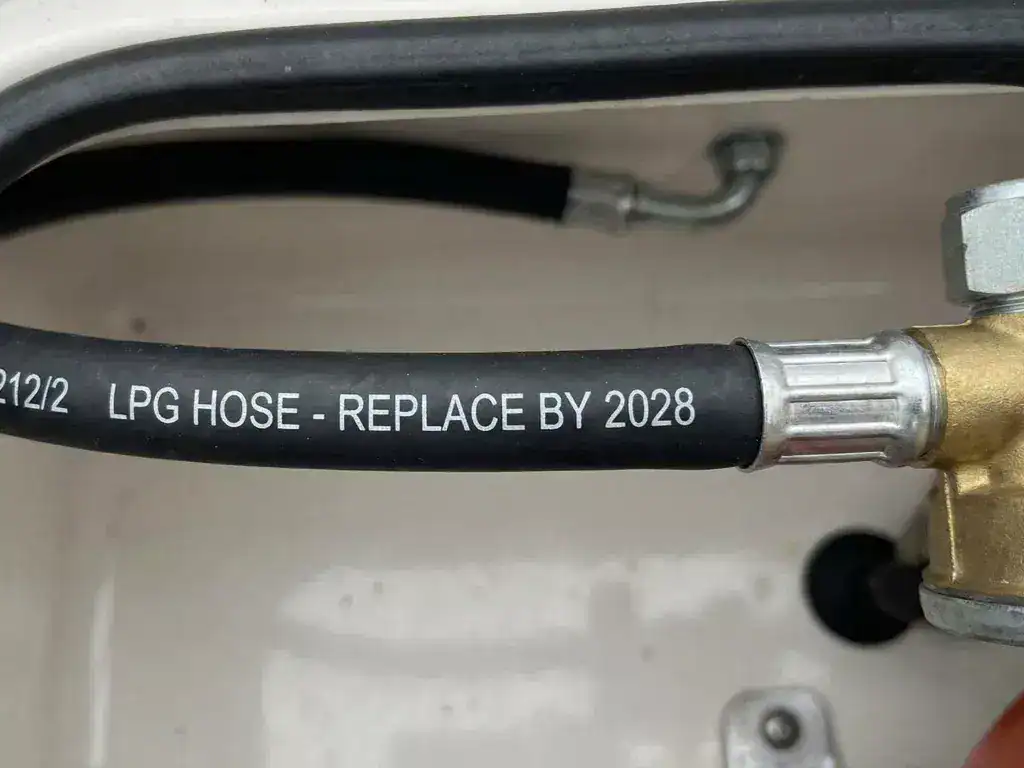
The hose connecting your cylinder to the regulator (the pigtail) is a critical point of failure.
- Lifespan: Marine LPG hoses should typically be replaced every 5 years, regardless of visual condition.
- Standards: Look for hoses marked with BS 3212/2 or EN 16436-1.
- Installation: Hoses must be installed with enough slack to prevent “pull” on the regulator, as per the 2025 ISO requirements.
Professional Certification for Peace of Mind
LPG work on boats is strictly regulated. To comply with the Boat Safety Scheme (BSS), your regulator and pipework must be in top condition.
We provide full LPG Safety Certificates for residential narrowboats, widebeams, and cruisers, ensuring your system is leak-free and compliant with current marine laws.
One comment
Comments are closed.