
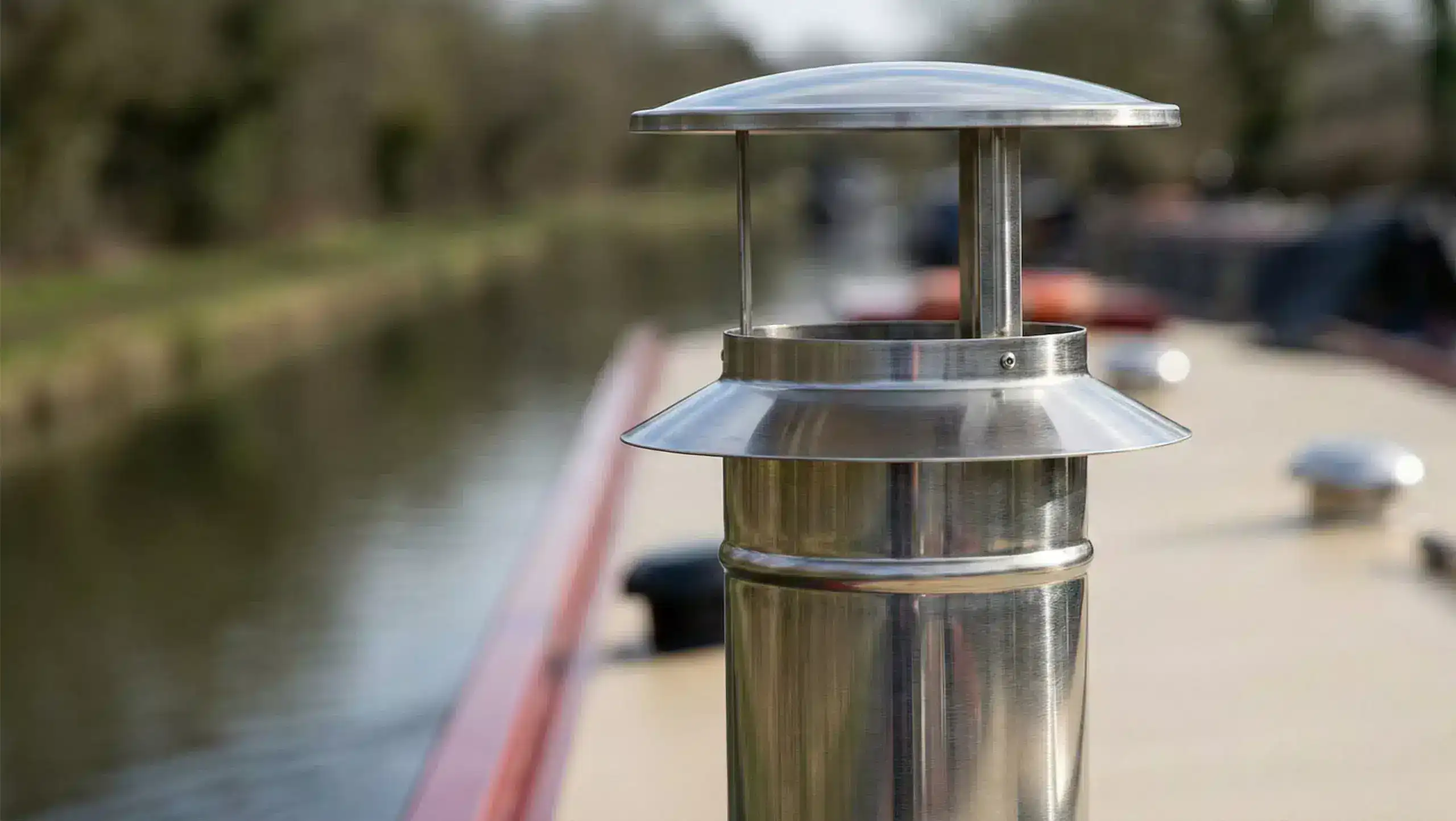
When heating a vessel, safety and efficiency are the primary concerns. At Marine Heating Solutions, our engineers recommend and install stainless steel twin-wall insulated flues to ensure every system follows the Boat Safety Scheme (BSS) guidelines and follows the latest Soliftec industry best practices.
While traditional single-wall pipes were once common, they are no longer recommended for modern professional installations. Here is why a twin-wall system is the only responsible choice for your boat.
1. Advanced Fire Prevention
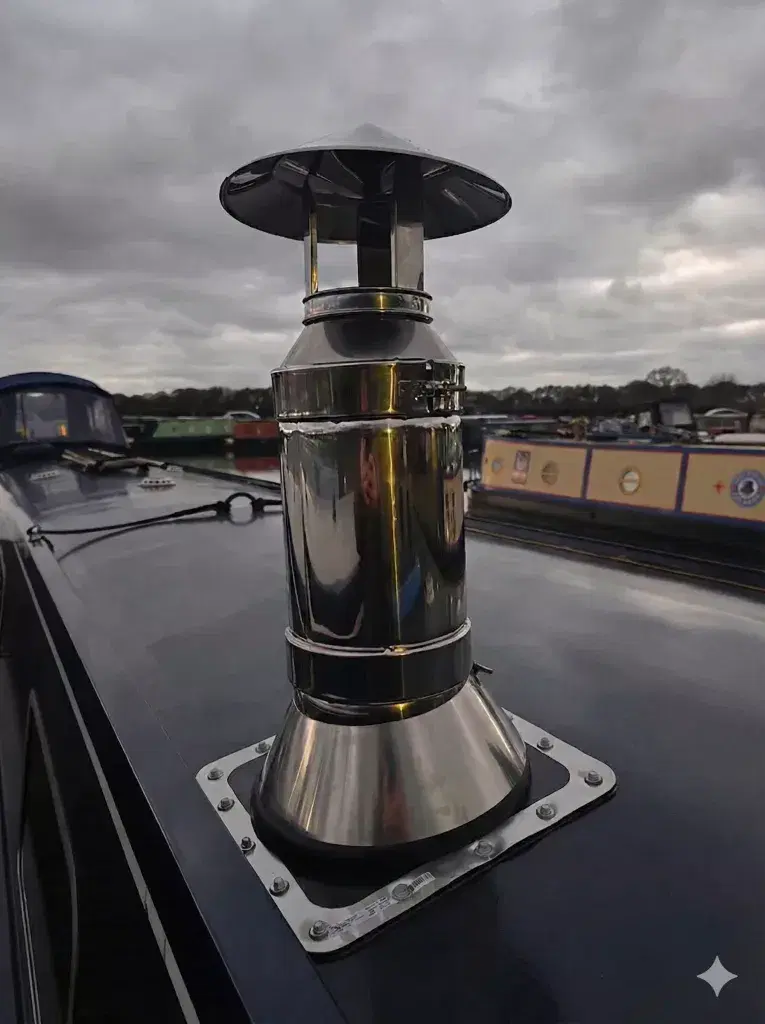
The most critical benefit of an insulated flue is fire safety. A twin-wall flue consists of two stainless steel pipes with a layer of high-density mineral wool insulation between them.
- Safety Clearances: The insulation ensures the outer skin stays significantly cooler than a single-wall pipe. This allows for safer distances to combustible materials like wood linings, insulation, and GRP—essential for the tight confines of a boat.
- Thermal Protection at the Roof: BSS best practice dictates that the section of the flue passing through the roof must be insulated. This prevents the roof structure from reaching dangerous temperatures that could lead to “pyrolysis” and eventual fire.
2. Optimised Efficiency and “Draw”
For a stove to burn cleanly and safely, the flue gases must stay hot as they rise.
- Improving Draft: The insulation prevents gases from cooling too quickly as they hit the cold air outside. This maintains a strong, consistent upward “draw,” which is vital given the short flue lengths typical on narrowboats and yachts.
- Reducing Creosote: A hotter flue promotes a cleaner burn and significantly reduces the buildup of soot and creosote, which is the leading cause of chimney fires and carbon monoxide issues.
3. Marine-Grade Durability
Standard mild steel flues degrade rapidly in the high-moisture environment of the UK’s waterways.
- 316 Grade Stainless Steel: We utilise high-grade 316 stainless steel for our flue liners. This material is specifically designed to withstand high humidity and the corrosive by-products of solid fuel and diesel combustion.
- Longevity: Choosing stainless steel ensures your flue system remains structurally sound and safe for the entire lifespan of the stove.
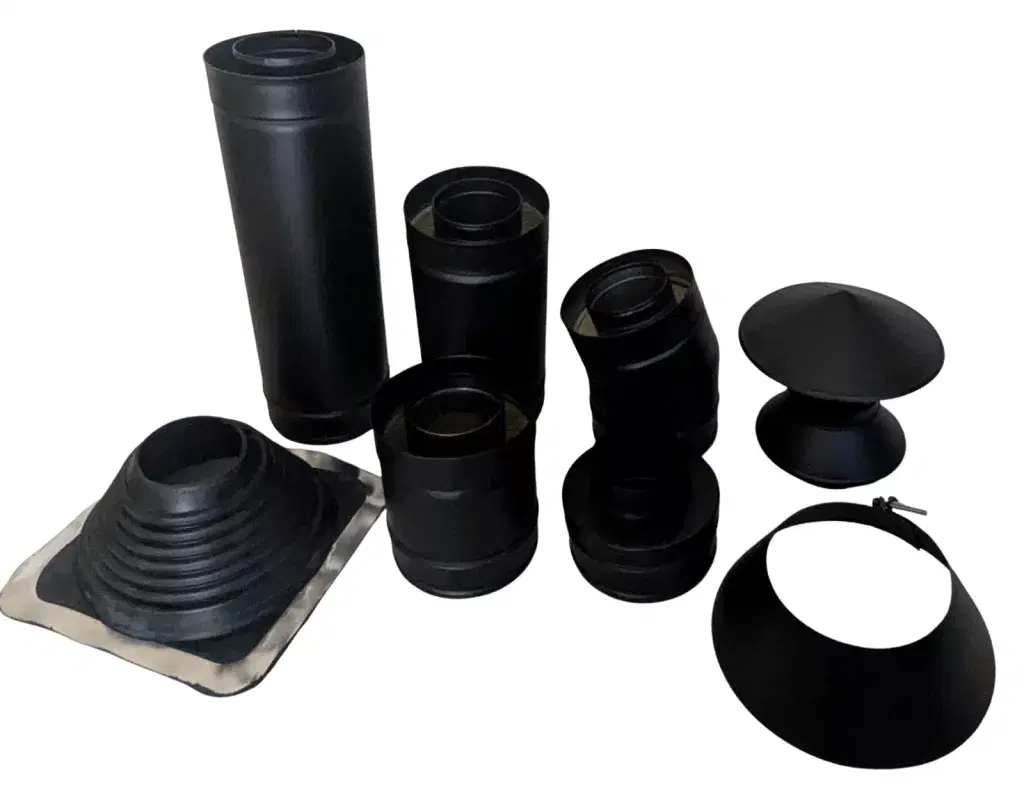
Expert Resource: For a full range of compliant flue systems, visit our Twin-Wall Flue Kits (opens in same tab) or consult the Soliftec Technical Guide for current best-practice installation advice.
Ready for a Safe, Efficient Installation?
If your current flue is showing signs of corrosion or you are planning a new installation, our BSS-trained engineers are here to provide expert assistance.
Comments are closed.