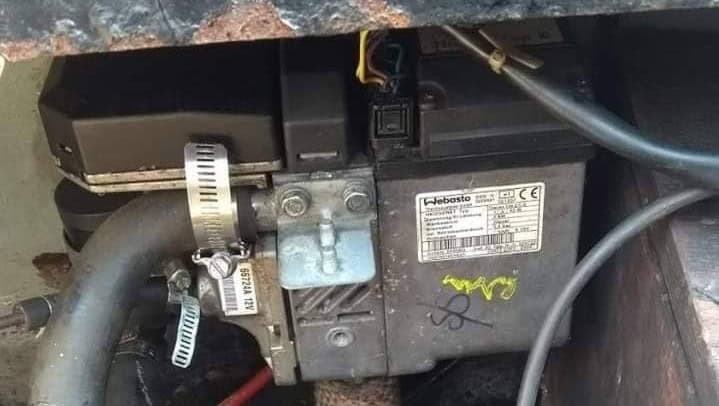

The Webasto Thermo Top C is the undisputed workhorse of the UK inland waterways. As I cover in my Webasto Marine Heating Expert Guide, it’s a compact and efficient unit, making it the ‘go-to’ for many narrowboats and cruisers. However, as any seasoned boater knows, these units can be temperamental. After two decades as a mobile marine engineer, I’ve seen everything from simple “low voltage” grumbles to catastrophic soot-ups caused by poor DIY installations.
If your heater has decided to strike just as the frost sets in, you aren’t alone. Understanding the mechanics of marine diesel heating is the first step toward getting your cabin back to a livable temperature.
The “Flash Code” Language: How Your Webasto Speaks
Before grabbing the spanners, look at your control panel. Most Webasto units communicate via a series of flashes or an error code (F01, F02, etc.) on the control panel.
Common Webasto Fault Codes & Meanings
| Code | Meaning | Most Likely Cause |
| F01 | No Start (after 2 attempts) | Fuel starvation, air in lines, or failed glow plug. |
| F02 | Fuel starvation, air in lines, or a failed glow plug. | Interrupted fuel supply or heavily carbonised burner. |
| F03 | Under/Over Voltage | Weak batteries or loose wiring connection. |
| F05 | Flame Sensor Fault | The sensor is blinded by soot or has failed. |
| F07 | Metering Pump Fault | Fuel pump wiring break or pump failure. |
1. The Voltage Trap (Error F03)
By far the most common issue I encounter on-site isn’t a “broken” heater—it’s a “starved” heater. The Thermo Top C requires a significant “glow plug” surge during the start-up phase (about 10 amps).
- The Symptom: The fan starts, you hear a click, then it shuts down before the pump starts “thumping.”
- The Solution: Check your battery bank voltage at the heater terminals during start-up. If it drops below 10.5V, the unit will safety-trip. Often, the solution is as simple as tightening a loose cable connection or charging your domestic bank.
2. Fuel Starvation & “The Click” (Error F01/F02)
If you can hear the fuel pump (that rhythmic tick-tick-tick), but the heater fails to ignite, you likely have air in the system or a fuel blockage.
- The Problem: Marine diesel (especially standard red diesel) can grow ‘the bug’ or wax in winter.
- The Solution: Ensure your fuel standpipe isn’t drawing air, and the fuel lines aren’t blocked.
3. The “Jet Engine” Sound & Excessive Smoke
If your boat looks like it’s being used for a smoke-screen exercise, your burner is likely “coked up.”
- The Cause: Lack of regular servicing, or summer short-cycling. Running a Webasto for only 20 minutes at a time doesn’t allow it to reach “full burn” temperature, leading to carbon buildup on the evaporator screen.
- The Solution: The unit needs a professional strip-down and decoke.
When to Call in the Specialist
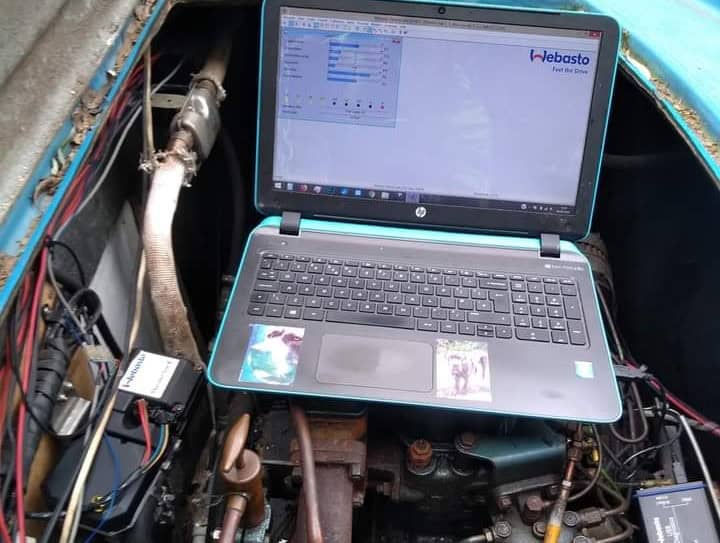
While checking your batteries is a great DIY start, internal components like the circulation pump or the glow plug/flame sensor require a steady hand and specialist diagnostic software.
If your unit is ancient and the repairs are mounting up, it might be time for an upgrade. We offer a variety of modern replacements that are more efficient and quieter.
Why Trust Marine Heating Solutions?
We don’t just fix pipes; we understand the vessel. From complex wet systems with backboilers to ensuring your installation meets the latest Boat Safety Scheme (BSS) requirements, our focus is on safety and longevity.
Still shivering? If your Webasto is throwing codes you can’t clear, don’t risk damaging it further with “guesswork” repairs. We offer mobile callouts and a guaranteed professional service.