Staying warm on the water is the difference between a cosy winter cruise and a miserable, damp ordeal. If you have a diesel boat stove from brands like Refleks, Dickinson, or Bubble, you already have one of the most reliable forms of boat heating available.
However, many boaters struggle with the initial lighting process. Use the wrong method, and you’ll end up with a soot-covered cabin or a stove that refuses to stay lit.
At marineheating.co.uk, we recommend the “Methylated Spirit Method.” It’s clean, efficient, and protects your stove’s performance. Here is your definitive guide on how to do it right.
For quotes and bookings, call or email us here.
Why the Lighting Method Matters
Most boat stoves operate on a “drip-feed” vaporising principle. For the stove to run cleanly, the diesel must turn into gas (vaporise) the moment it hits the burner pot. If the pot is cold, the diesel just pools at the bottom, leading to a smoky, yellow flame and heavy carbon buildup.
The Problem with Firelighters
Many boaters use traditional firelighters, but these often leave behind ash and debris.
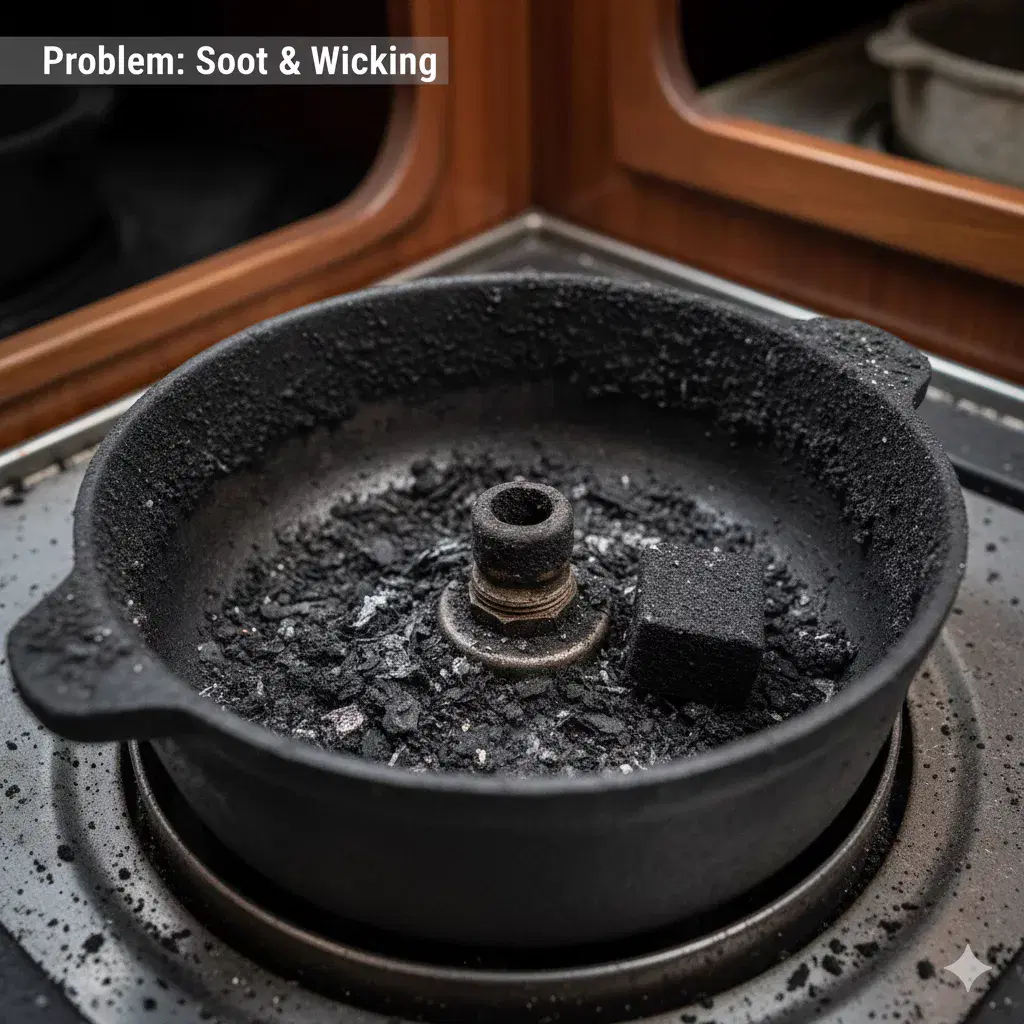
- Wicking Effect: This debris acts like a candle wick. Instead of the diesel vaporising, it “wicks” up through the ash, burning incompletely.
- Sooty Flames: This results in a dirty burn, sooty stove, and a clogged chimney.
Methylated spirit (meths), on the other hand, burns away completely, leaving the burner pot hospital-clean and perfectly preheated.
The Golden Rule: Start with a Clean Burner Pot
Ensuring a clean burner pot is paramount for the efficient and clean operation of your diesel boat stove. Any residual soot, ash, or debris from previous burns, or from improper firelighter use, can hinder the vaporisation process. These impurities act as wicks, causing the diesel to simply burn incompletely and produce a lazy or sooty flame. For optimal performance and to avoid a build-up of damaging carbon, the bottom of your burner pot must be clean metal, completely free from any obstruction or foreign matter, allowing the diesel to vaporise effectively and burn with a clean, hot flame.
Pro Tip: If your burner pot has years of hard, baked-on carbon (often called “coking”), you may need to use a scraper or a wire brush to get back to the bare metal.
How to Light Your Diesel Boat Stove: Step-by-Step
1. Preparation and Inspection
Before you start, ensure your stove is clear of any old soot or carbon. Ensure your fuel tank valve is open and the stove’s regulator is in the “off” position.
2. The Methylated Spirit Trick
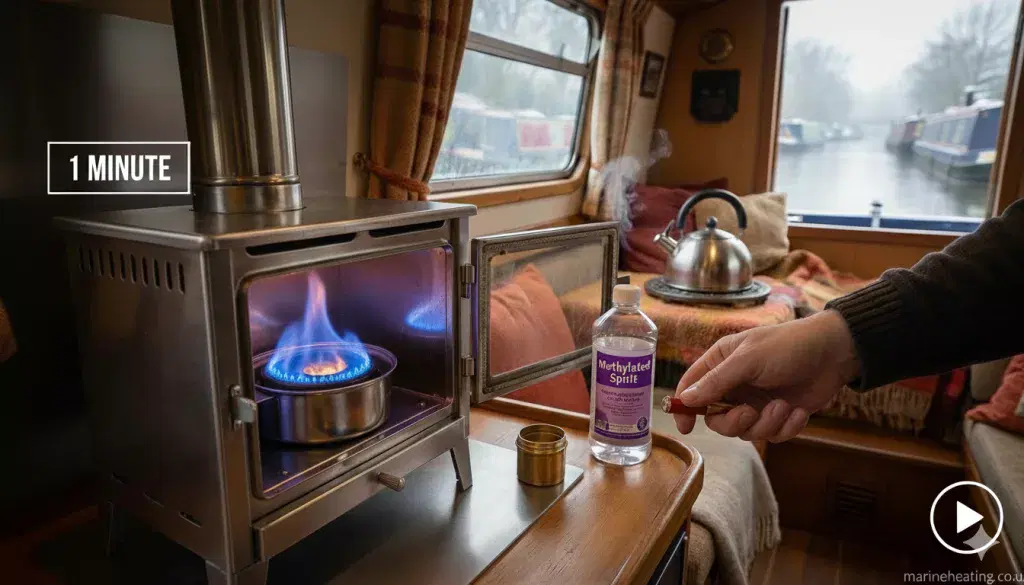
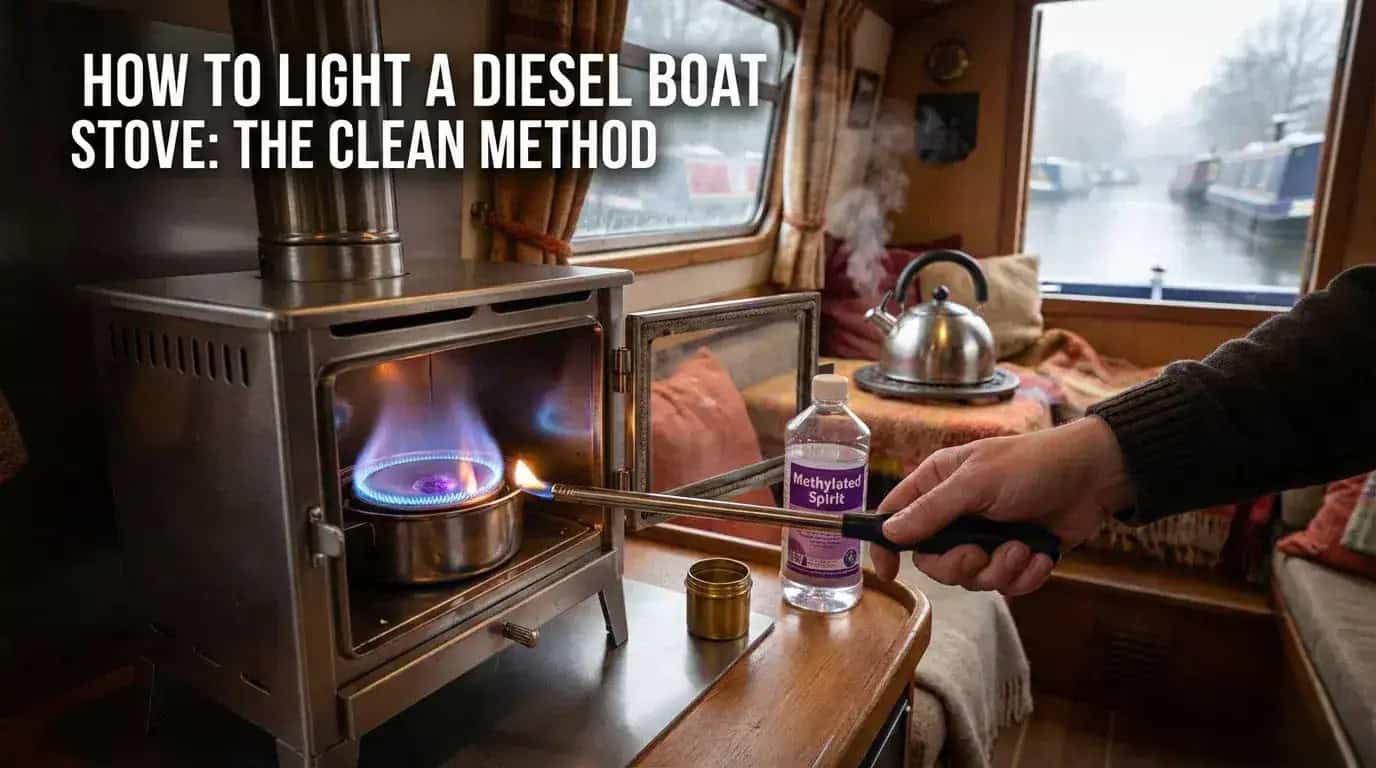
Open the stove door or lift the lid. Pour roughly one to two shots (approx. 30-50ml) of methylated spirit into the bottom of the burner pot. (Less for small stoves like the Refleks 66M)
Top Tip: Use a long-reach lighter to ignite the spirits. Meths is highly flammable but burns with an almost invisible blue flame, so be careful!
3. The Preheating Phase
Let the methylated spirit burn. This serves two purposes:
- It creates a draft in the chimney (flue), ensuring smoke is pulled out of the boat.
- It heats the base of the burner pot to the temperature required for diesel vaporisation.
4. Introducing the Diesel
Watch the flame. Once the burner pot is hot, or as the blue flame from the methylated spirit starts to die down, turn your diesel valve to the “low” position.
The incoming diesel will hit the preheated base, vaporise instantly, and catch fire from the remaining heat/flame of the spirits.
5. Adjusting the Fuel Flow
Once you are only burning diesel (1 to 2 minutes), you can adjust the valve to your desired setting. Adjust your air intake (if fitted) to ensure a clean, steady burn.
Comparison of Leading Diesel Boat Stove Brands
While the lighting method remains the same, different brands have slight variations in design:
| Brand | Known For | Best Lighting Practice |
| Refleks | Iconic Danish design, high efficiency. | Best with the meths method to keep the stainless steel body clean. |
| Dickinson | Robust, often features an oven or cooktop. | Ensure the fan (if fitted) is off or on very low during the meths burn. |
| Bubble | Compact and popular for narrowboats. | Can be a little sensitive to carbon buildup; meths is essential for longevity. |
For a deeper look at which model is right for your vessel, see our comprehensive guide to the Best Diesel Stove for Boats.
Troubleshooting a Sooty Flame
If you see thick black smoke or a lazy, orange flame, it’s usually caused by one of three things:
- Insufficient Heat: You didn’t let the methylated spirit heat the pot long enough before turning on the diesel. This should settle down after a minute or two.
- Debris in the Pot: Old firelighter ash, soot, or other contaminants are causing a “wicking” effect.
- Lack of Air and Flue Flow: Ensure your cabin has adequate ventilation and the flue isn’t blocked. Call a professional if the problem continues.
Conclusion
A diesel boat stove is the heart of a liveaboard vessel. By switching from messy firelighters to methylated spirit, you ensure a cleaner burn, less maintenance, and a much warmer boat.