
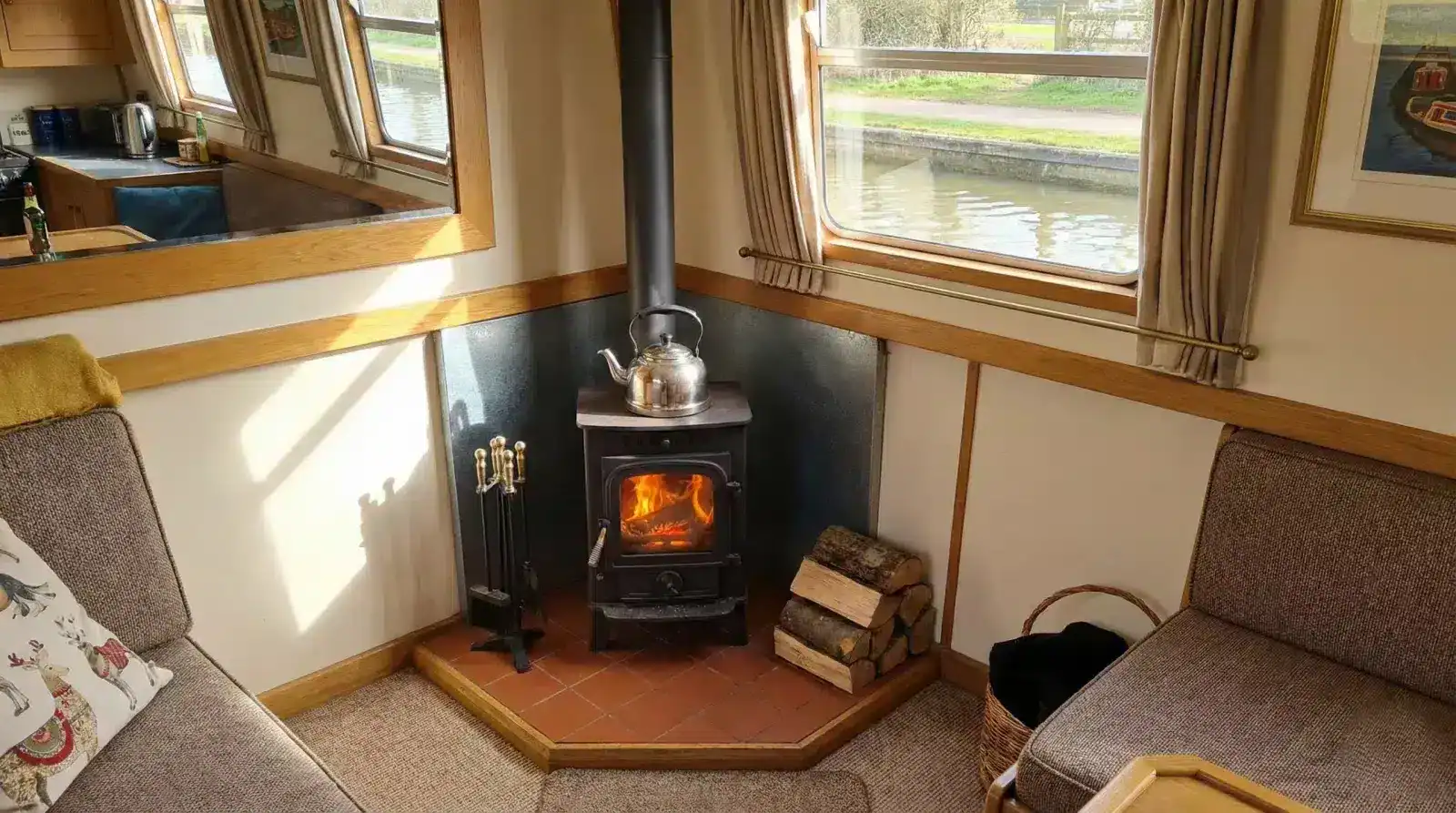

A high-quality heating appliance is more than just a source of warmth; it is the cherished heart of a dry and comfortable life on the water. For anyone living on a narrowboat or barge, picking the right unit is a crucial decision that impacts both your daily comfort and your long-term safety. To ensure total compliance, a specialised marine-grade stove must be installed in accordance with BS 8511:2010, the code of practice for the installation of solid fuel heating appliances in marine vessels. This standard is the minimum absolute necessity because it provides the framework to handle the unique movement, heat shielding, and ventilation demands of life afloat.
Choosing the Right Boat Wood Burning Stove for Your Vessel
Picking out the ideal heater for your narrowboat goes deeper than just finding a design you like. You must match the appliance to your specific vessel to guarantee safety and efficiency. We follow the technical safety guidelines set out by the Canal & River Trust to ensure every stove we fit becomes a reliable centrepiece of the cabin.
Calculating Heat Output (kW) Requirements
One of the most common errors is choosing a unit that is far too powerful for a compact marine cabin. Heat output is measured in kilowatts (kW), and getting this right is vital; an oversized stove leads to a sweltering environment and wasted fuel. For most narrowboats, a stove with an output between 3.5kW and 5kW is the recommended sweet spot.
The Versatility of Multi-Fuel Options
While a dedicated wood burner is a classic choice, we frequently recommend multi-fuel models for life on the water. These allow you to burn seasoned hardwood or approved smokeless fuels. This versatility is priceless during long winters, as smokeless coal can often stay alight overnight, ensuring you wake up to a warm boat.
Why Marine-Specific Construction Matters
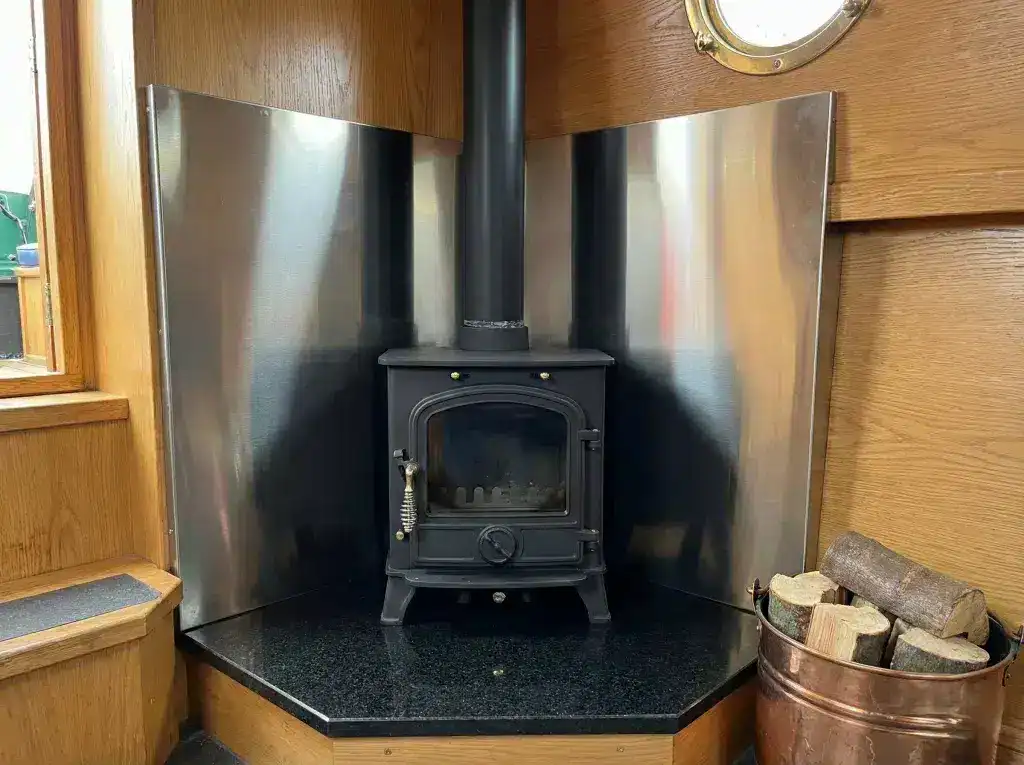
Space is always at a premium on a vessel. That is why our solid fuel appliance installations focus on compact designs with a small footprint. Unlike domestic heaters, marine units are built from robust cast iron or heavy-gauge steel to withstand constant movement and vibrations.
Professional Installation: A Non-Negotiable Standard
Fitting a heating appliance is a complex, specialist job that must meet strict Boat Safety Scheme (BSS) standards. This is not a DIY task; an incorrectly installed stove poses severe risks of fire or carbon monoxide poisoning. We provide a certified installation service that covers every detail with precision.
The Meticulous Fitting Process
- The Hearth: We establish a safe, non-combustible foundation to protect your boat’s flooring.
- Heat Shielding: We fit specialist panels to nearby walls, creating a safe air gap to prevent heat transfer.
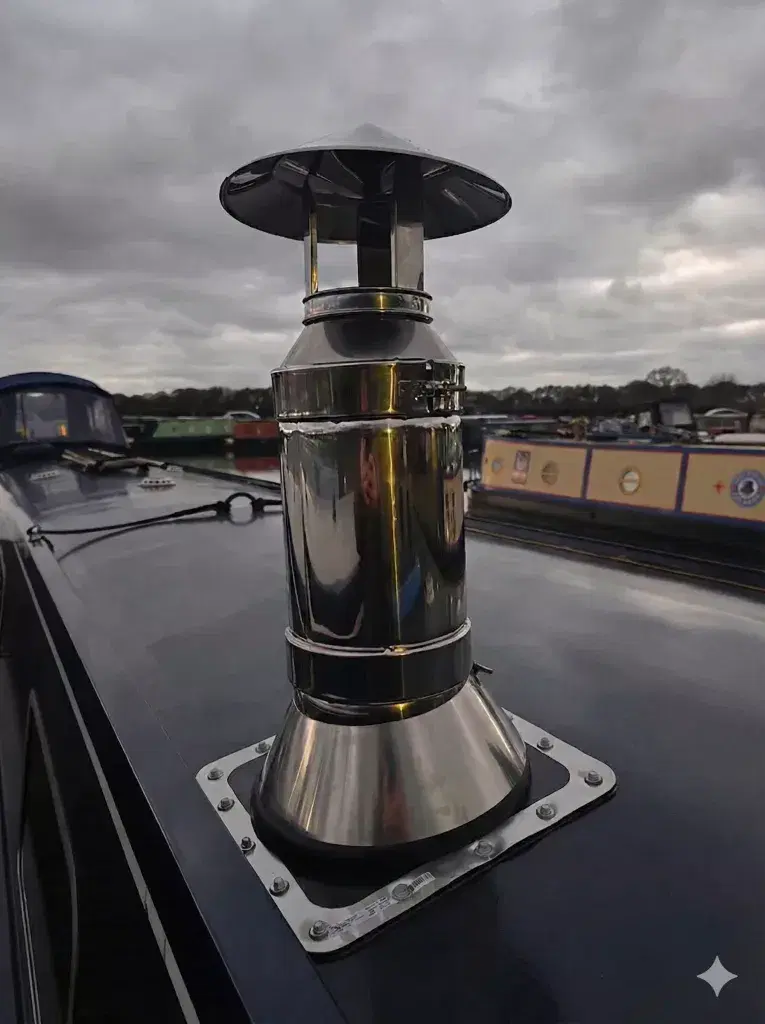
- Flue System: We install the correct flue kits, ensuring a transition to twin-wall insulated flue before passing through the cabin roof.
Navigating Modern Emissions and Ecodesign Standards
Modern marine heating must meet strict environmental guidelines. Since January 2022, all new stoves must meet Ecodesign standards to reduce smoke and particulate matter. If you are moored in a Smoke Control Area, you must use an exempt appliance and follow the latest UK Government wood burning guidance.
Reliable Marine Stove Models
To help you find the perfect fit, we have curated a selection of the most reliable appliances currently available:
| Stove Model | Heat Output | Key Feature | Ideal For |
| The Hobbit | 4kW | Compact design | Small narrowboats |
| Go Eco Adventurer 5 | 5kW | Low emissions, large window | Larger Narrowboats, Widebeams, and barges |
| Newport Charcoal | 3.5kW | Bulkhead mounted | Small cruisers |
Maintenance and Safety for the Long Haul
Looking after your stove is the only way to ensure it runs safely for years. Routine tasks like emptying the ash pan and checking rope seals are essential, but the most critical job is a regular flue sweep. Creosote build-up is the number one cause of chimney fires on boats, so a monthly sweep during winter is our professional recommendation.
Ready to Upgrade Your Life on the Water?
Don’t compromise on your safety or comfort this winter. Our team understands the unique technical demands of the UK’s inland waterways and is ready to help you find the perfect heating solution.
Comments are closed.