A boat stove is more than just a heating appliance; for many liveaboards, it is the heart of the home. However, the confined space and constant movement of a vessel place extreme stress on stoves and their flue systems.
At Marine Heating Solutions, our OFTEC-trained technicians specialise in the intricate maintenance required for both solid fuel (wood/coal) and vaporising diesel stoves (like Morso, Bubble, and Refleks).
Why Professional Servicing is Essential
Many boat owners believe a quick sweep of the flue is enough. True marine stove servicing goes deeper:
- Integrity Checks: We inspect the stove body for cracks or warped plates that can leak deadly Carbon Monoxide.
- Flue Performance: We test the “draw” to ensure your stove isn’t back-filling the cabin with fumes during high winds.
- Efficiency: For diesel stoves, a clean burner pot and calibrated Toby valve can significantly reduce your winter fuel bill.
- BSS Compliance: We ensure your installation meets the current Boat Safety Scheme (BSS) standards for fire safety and ventilation.
1. Solid Fuel Stove Maintenance (Wood & Coal)
Solid fuel stoves take a beating from high temperatures and corrosive ash. Our annual service ensures your stove remains a safe, efficient heat source.
Our Solid Fuel Service Includes:
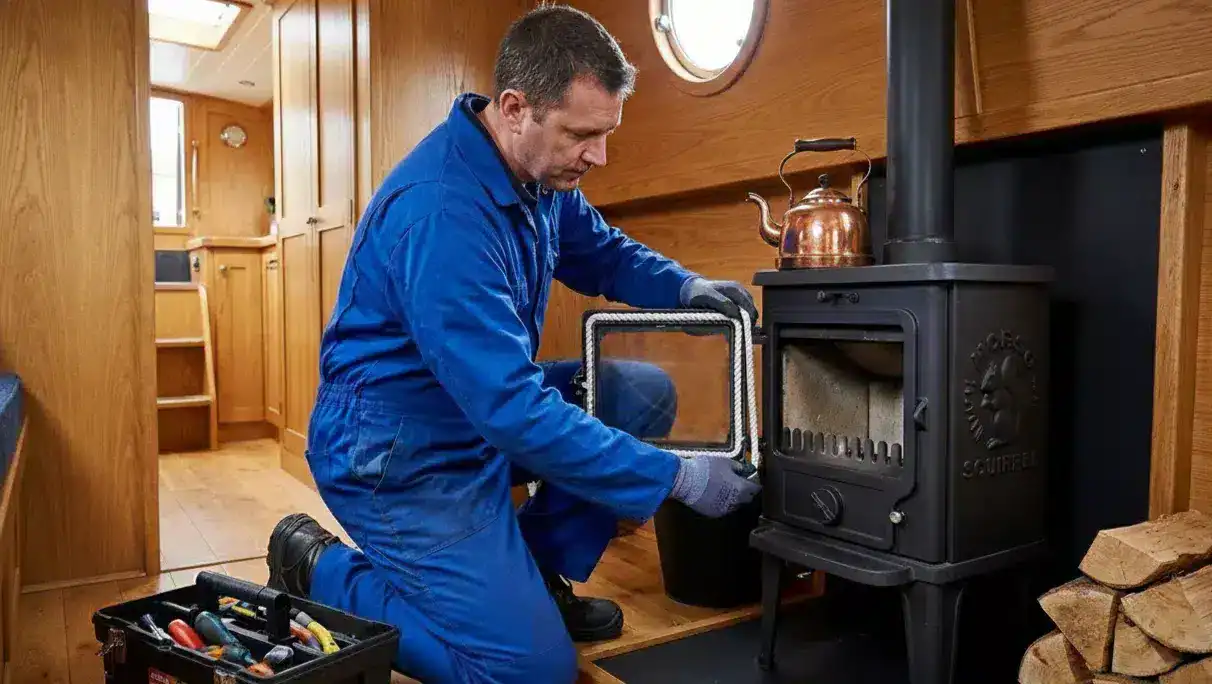
- Baffle Plate & Firebrick Inspection: Checking for damage that can cause the stove body to overheat.
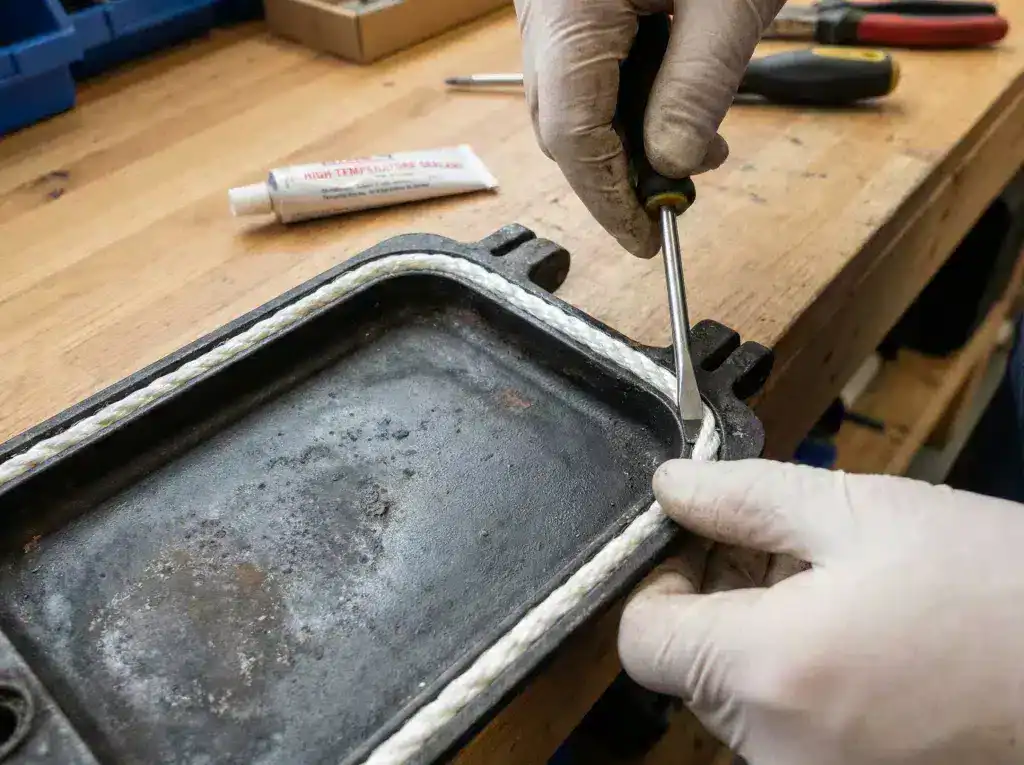
- Rope Seal Replacement: Ensuring the door is airtight to prevent uncontrolled “runaway” fires.
- Glass Deep Clean: Removing stubborn creosote to restore your view of the fire.
- Grate & Ashpan Check: Ensuring proper airflow for efficient combustion.
2. Diesel Stove & Cooker Servicing (Vaporising Burners)
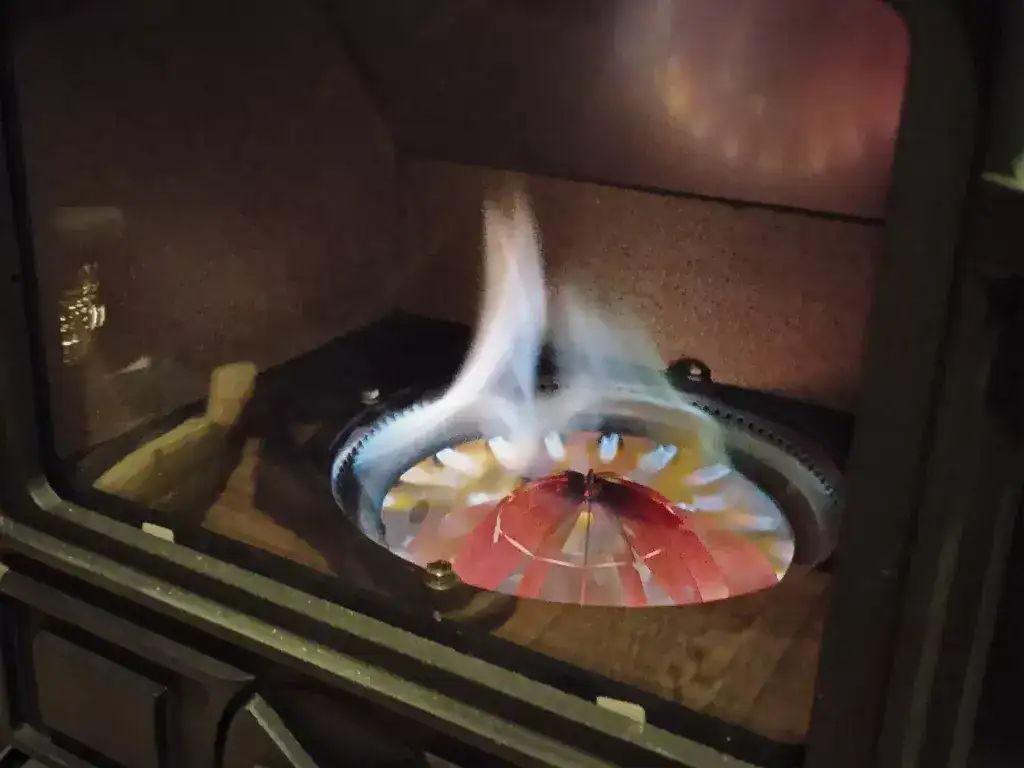
Vaporising diesel stoves (Refleks, Bubble, Dickinson) require a different set of engineering skills. These stoves rely on precise fuel flow and a clean “catalyst” to burn blue and soot-free.
Key Technical Tasks:
- Toby Valve Calibration: We use precision tools to set the minimum and maximum fuel flow rates.
- Catalyst Ring Alignment: Ensuring the shells and rings are positioned for a perfect “vortex” flame.
- Fuel Line Flushing: Removing the “clinker” and carbon deposits that block gravity-fed lines.
3. Flue Systems and Back Boilers
The flue is the most dangerous part of any boat stove installation. If it isn’t insulated or swept correctly, you risk a chimney fire or tar leakage.
Our Expertise Includes:
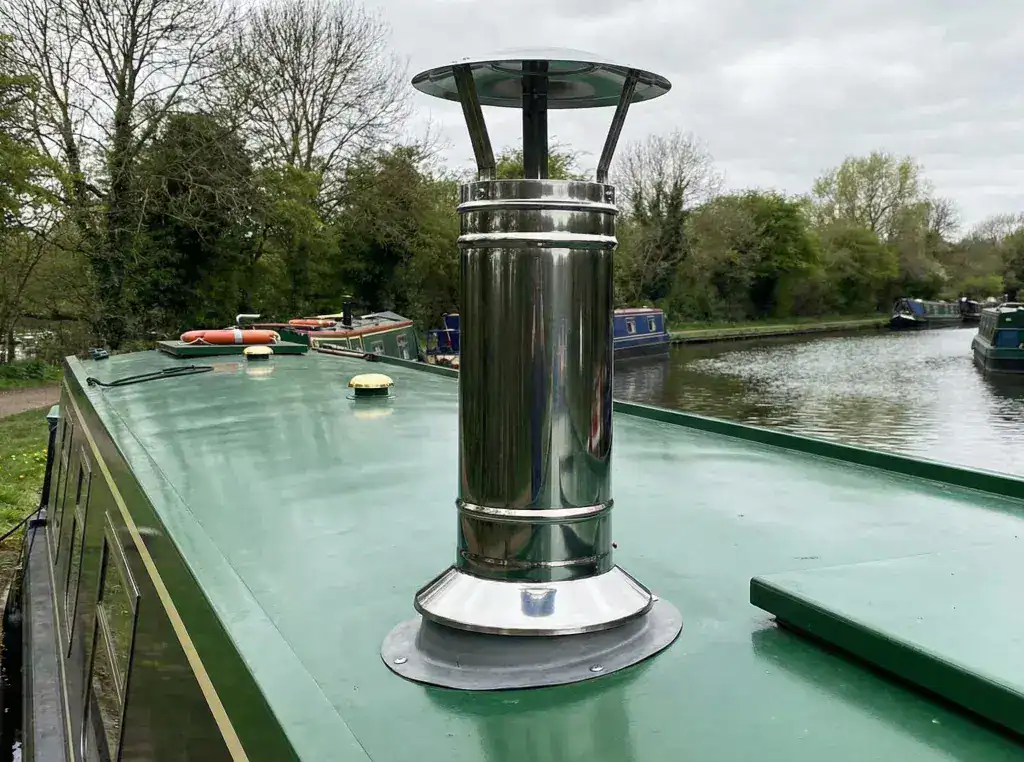
- Twin-Wall Flue Inspection: Checking for joint integrity in Stainless Steel Twin Wall systems.
- Back Boiler Testing: Checking for leaks and testing the integrity of the central heating pump and coolant.
- Terminal/Cowl Cleaning: Removing the bird nests and soot that cause smoking stoves.
Safety Certification & Compliance
Is your stove ready for its next inspection? We provide professional advice to ensure your setup aligns with the Solid Fuel Association best practices and BSS regulations.
Keep Your Boat Warm and Safe This Winter
Our engineers are currently booking for the upcoming season across the UK canal and river network.
Comments are closed.