
Let’s be honest: nobody buys a boat because they’re excited about “gas compliance.” You bought it for the misty mornings on the canal, the sound of the water against the hull, and the freedom of the towpath. But here’s the reality—nothing ruins that “boating dream” faster than a gas system that’s either temperamental, illegal, or flat-out dangerous.
As a BSS Examiner and specialist marine engineer, I spend my days looking at gas lockers and pipework. I’ve seen everything from “death-trap” DIY jobs to pristine professional installs. The good news? Keeping your boat safe and BSS-ready isn’t nearly as scary (or dry) as the rulebooks make it sound.
The “Domestic” Trap: Why Your House Plumber Might Be a Risk
One of the most common mistakes boaters make is hiring a standard household plumber to “take a quick look” at their water heater. Here’s the catch: a boat is not a floating house.
Because boats vibrate, tilt, and sit in damp environments, the rules change significantly. In the UK, if you live on your boat or hire it out, your engineer must have a specific GasSafe “LPG Boats” endorsement on their ID.
3 Simple Pillars of a “Happy” Gas System
You don’t need to be an engineer to spot the basics. If you check these three things, you’re already ahead of 50% of the boats on the canal.
1. The Gas Locker
LPG is heavier than air. If it leaks or gets vented by the regulator, it doesn’t float away; it sinks into your bilge like water. Your gas locker is designed to catch that gas and vent it overboard before it becomes a problem.
- The Check: Is your locker drain clear? I often find spiders’ webs or debris blocking these.
- The Fix: Keep the locker clean and clear of everything except gas bottles. No anchors, no oily rags, no life jackets or other items that can block the vent.
2. The Hose Health Check
Not all gas hoses are the same. You likely have different types on your boat, and they have different rules.
- High-Pressure “Pigtails”: This is the short, thick hose connecting your gas bottle to the bulkhead regulator.
- The Check: Look for the date printed on the hose. If it is more than 5 years past that date, it may need to be replaced. Carefully bend the hose and check for small hairline cracks.
- Braided Hoses: These often connect your regulator to the copper pipework, or your copper pipework to a cooker/heater.
- The Braided Trap: Don’t assume “braided” means “indestructible.” Braided hoses still have a rubber core that perishes over time. Unless you have paperwork confirming a longer lifespan, we recommend treating them with the same 5-year caution as rubber.
- Visual Check: Run your hand along the braid. If you feel broken wires (spikes) or see rust, it needs changing.
- Standard Orange or Black Rubber Hose: If you have a soft rubber hose (orange for high pressure, black for low pressure), check the date stamp printed on the side. If it’s more than five years old, it might need replacing.
- The Check: Look for brittleness and discolouration. Has the bright orange or black colour faded? Can you see hairline cracks when you bend the hose?
3. The Magic of the Bubble Tester
Every boat should have one. It’s a simple device that lets you check for leaks in a couple of minutes without any tools.
- How it works: You push a button; if bubbles appear in the vial, you have a leak.
- Deep Dive: For a full walkthrough on how to use one, check out our Complete Guide to Bubble Testers on Boats.
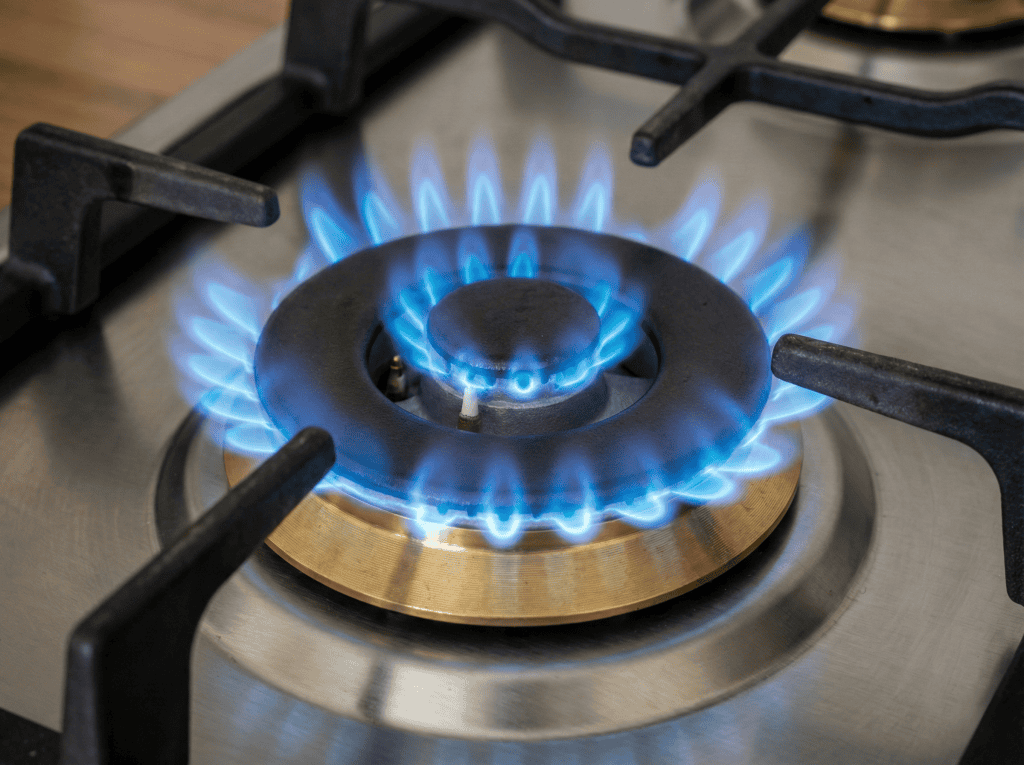
Is Your Flame Telling You a Story?
Your appliances are always “talking” to you. You just need to know what to look for.
- A “Good” Flame: Should be crisp, steady, and blue.
- A “Bad” Flame: If your cooker or water heater has a lazy, floppy yellow flame, it’s starving for air or dirty. This is a major Carbon Monoxide (CO) warning sign.
Engineer’s Note: Don’t just rely on your eyes. Buy a decent CO alarm (specifically one rated for marine use). It’s the only way to “see” the invisible killer.
When to Call in the Specialist
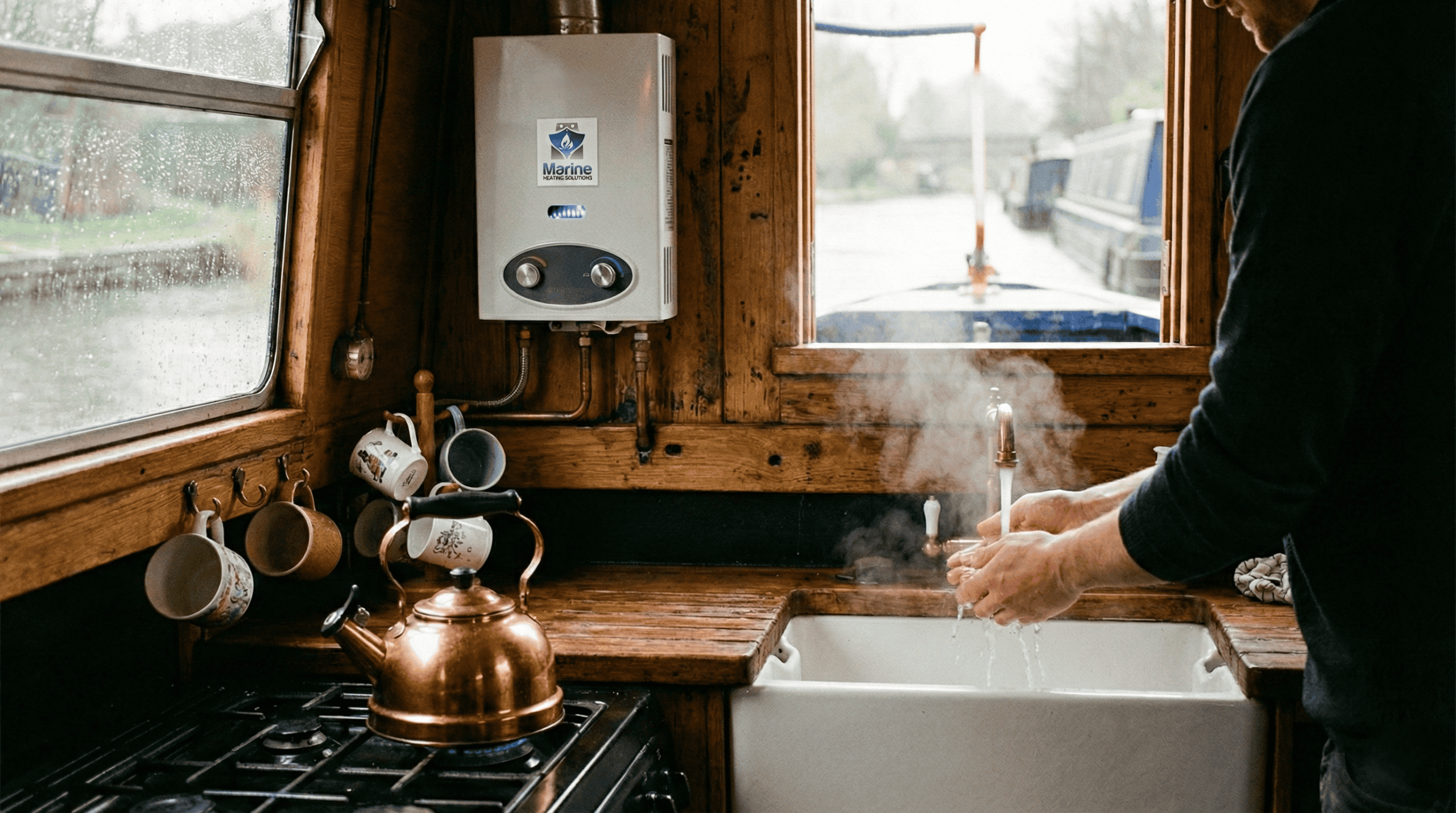
You don’t need an engineer for everything, but for the “big” stuff—installing a new Morco water heater, replacing a manifold, or your 4-yearly BSS exam—it pays to have a pro who knows the inland waterways.
Remember, a valid safety certificate isn’t just for peace of mind; it’s a core requirement for your Canal & River Trust boat license. We don’t just “fix pipes”; we understand how your boat’s electrics, heating, and engine all interact. We offer mobile callouts almost nationwide to make sure your system isn’t just “legal,” but actually reliable for those times when you are out on the canal network.
Comments are closed.