Salamander Stoves & Cooking Ranges: Compact Power for Small Spaces
Transform your narrowboat, widebeam, or tiny home into a cosy and efficient haven with our range of Salamander cast iron[…]
Read more
Solid fuel remains a traditional and highly effective method for heating inland waterway vessels, offering a dry, radiant heat that is ideal for combating the damp marine environment. Unlike modern diesel systems, solid fuel stoves operate independently of the vessel’s electrical circuit, providing a critical redundancy for off-grid living and winter cruising. At Marine Heating Solutions, we specialise in the technical integration of solid fuel heating systems, ensuring that your installation is as safe as it is comforting.
The installation of a solid fuel appliance in a confined cabin requires precise engineering to manage high surface temperatures and combustion gases. Our engineering-led approach focuses on technical compliance and long-term durability.
We support the industry’s most respected manufacturers of marine-grade solid fuel stoves:
Morso: The legendary Morso Squirrel (1410/1440 series) is the industry standard for narrowboat cast-iron stoves.

Go Eco Adventurer: A modern, highly controllable appliance designed specifically for compact marine and glamping environments.

Chilli Penguin: High-efficiency, multi-fuel stoves with exceptional air-wash systems and optional ovens for the galley.

Bubble: Robustly constructed multi-fuel stoves available in traditional and contemporary styles for the inland waterways.
Salamander: The ‘Hobbit’ is a small-footprint stove that delivers impressive heat output for smaller cabins.

Dickinson: The Newport Solid Fuel heater provides a compact, bulkhead-mounted solution for yachts and small cruisers.
See all our compatible solid fuel boat appliances in no particular order below. This is a collection of models across our multi-fuel and wood-burning ranges; for detailed technical specifications, please follow the main menu to our manufacturer-specific pages.
To maintain your Canal & River Trust (CRT) license, all solid fuel installations must adhere to the Boat Safety Scheme (BSS) requirements. This includes specific mandates for fire-resistant hearths, minimum clearances to combustible materials, and the installation of certified Carbon Monoxide alarms.
As OFTEC registered technicians, we provide the professional certification required for solid fuel installations, ensuring your boat remains compliant and your insurance remains valid. Our team is trained to the highest industry standards to mitigate the risks associated with solid fuel combustion in marine environments.

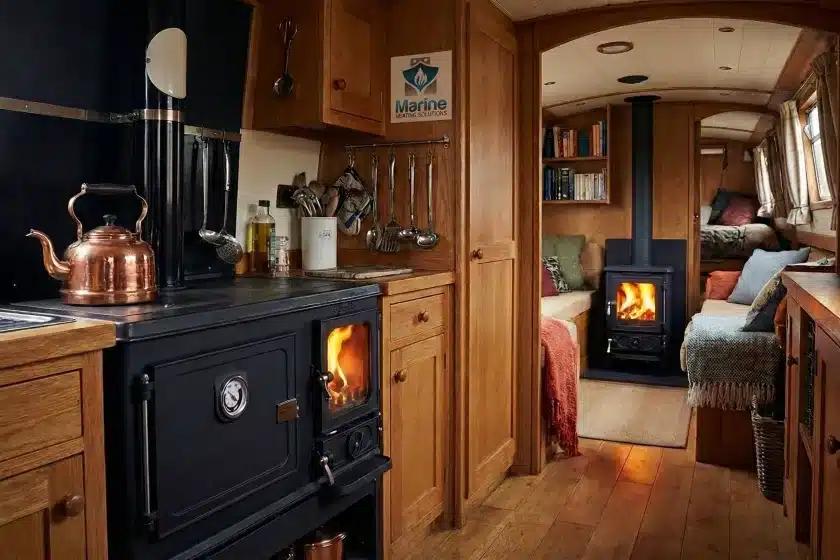
Transform your narrowboat, widebeam, or tiny home into a cosy and efficient haven with our range of Salamander cast iron[…]
Read more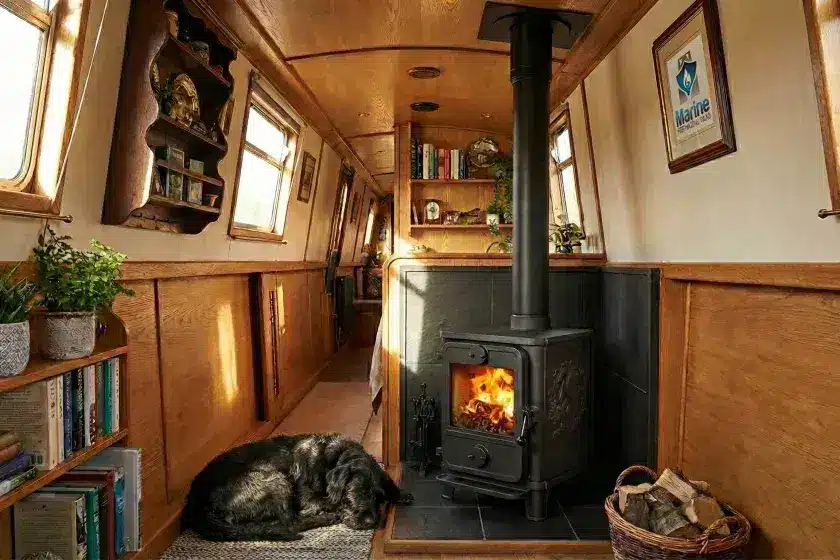

Chilli Penguin stoves are high-quality, made-to-order solid fuel appliances known for their efficiency, diverse colour options, and iconic penguin-themed designs.[…]
Read more