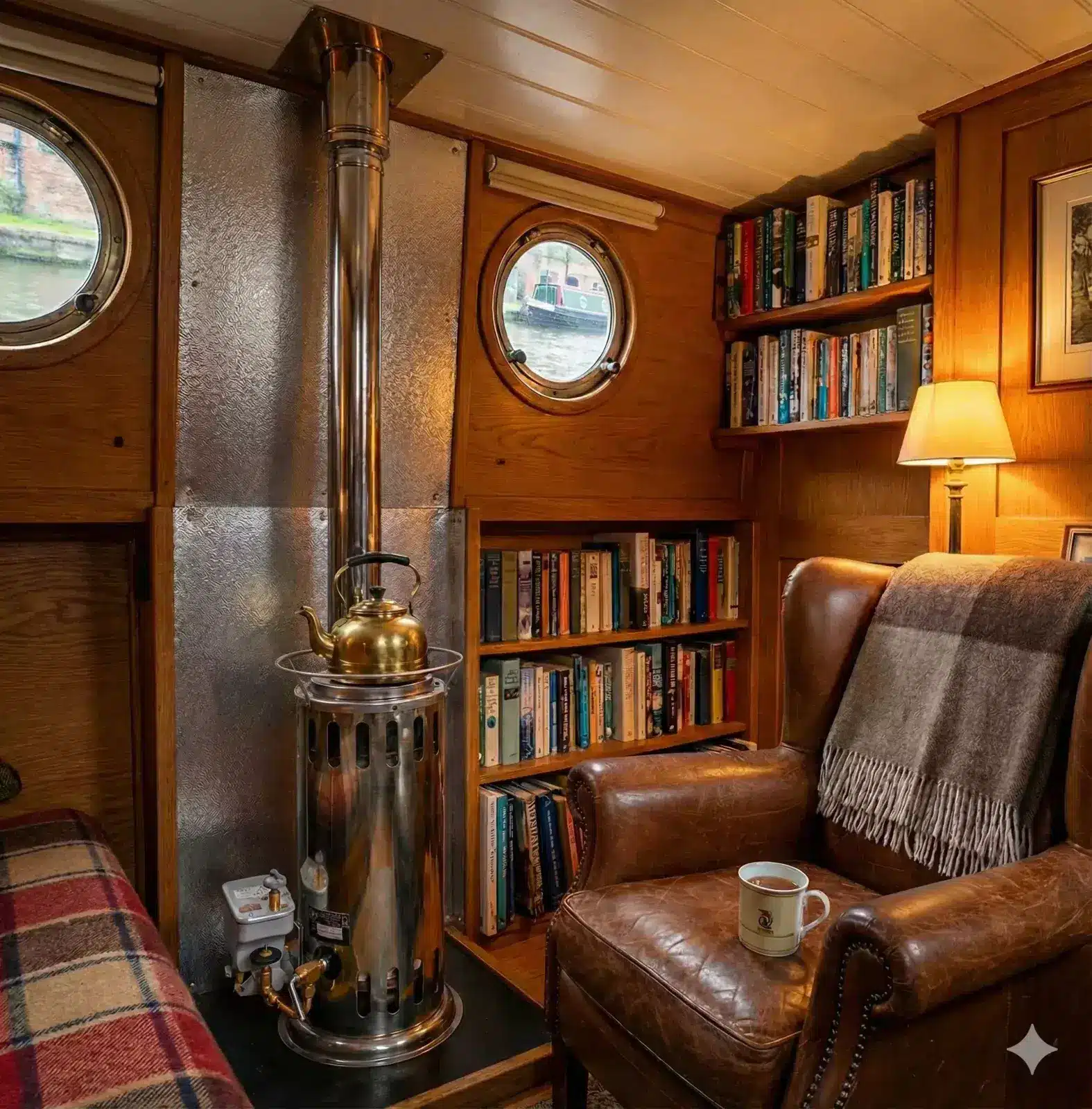




When you live on the water, a reliable heater isn’t just a luxury – it’s the heart of your vessel. This is exactly where Refleks diesel heaters have built their reputation, delivering the kind of consistent, dry warmth that’s perfect for tackling the damp UK climate. For seasoned boaters who need something robust, silent, and completely off-grid, they’re often the first and only choice.
For quotes and bookings, call or email us here.
Why Refleks Heaters Are the Gold Standard for Boats
For anyone navigating the UK’s canals on a narrowboat or living aboard a barge, staying warm and dry is a top priority. There are plenty of heating options out there, but Refleks diesel heaters have earned their status as the gold standard for good reason. Their Danish engineering is all about reliability and efficiency, first and foremost.
Unlike complex forced-air systems that are hungry for electricity and notorious for electronic failures, a Refleks heater works on a beautifully simple gravity-fed principle. What does that mean for you? No noisy fans, no circuit boards waiting to fail, and absolutely no drain on your precious battery bank. It’s a purely mechanical system you can genuinely depend on, day in and day out.
The Power of Simplicity and Reliability
The real genius is in the design. The gravity-fed system sends a steady, regulated flow of diesel to the burner, which in turn creates a constant, dry heat. This is a game-changer because it actively fights the condensation that plagues so many boats. It’s a massive advantage over systems that can end up just circulating damp air.
We proudly stock and install these exceptional units because we’ve seen their performance firsthand. For boat owners, the benefits are clear:
- Whisper-Quiet Operation: With no fans or pumps, the only sound you’ll hear is the gentle, reassuring hum of the flame.
- Complete Off-Grid Capability: Having zero electrical components makes these heaters perfect for continuous cruisers and liveaboards who spend long stretches away from shore power.
- Exceptional Dry Heat: They are brilliant at reducing moisture inside, which protects your boat’s interior and makes for a much more comfortable living space.
- Unmatched Durability: Built from high-quality materials, a Refleks isn’t a short-term fix; it’s an investment designed to last for decades with very little fuss.
For many boaters, the peace of mind that comes from a heater with no complex electronics is invaluable. It’s a system built to work flawlessly in the harshest conditions, providing warmth you can count on when you need it most.
A Smart Choice for the Modern Boater
It’s this robust simplicity that truly sets them apart. While the marine world is exploring fascinating new emission-free marine travel options like solar boats, Refleks heaters remain a solid, reliable choice for powerful and consistent warmth, especially for those on extended voyages or in colder climates.
Their proven track record on thousands of narrowboats, barges, and canal cruisers across the UK really does speak for itself. Taking a look through our full range of boat diesel heaters is the best way to find the perfect model for your vessel’s specific needs.
How a Refleks Heater Actually Works
The lasting charm of a Refleks heater is its brilliant simplicity. There are no circuit boards to fail, no complicated electronics, and certainly no noisy fans. What you get is a beautifully engineered bit of kit that uses basic physics to generate steady, reliable warmth. When you understand how it works, you see exactly why it’s so trusted on narrowboats and barges all over the UK.
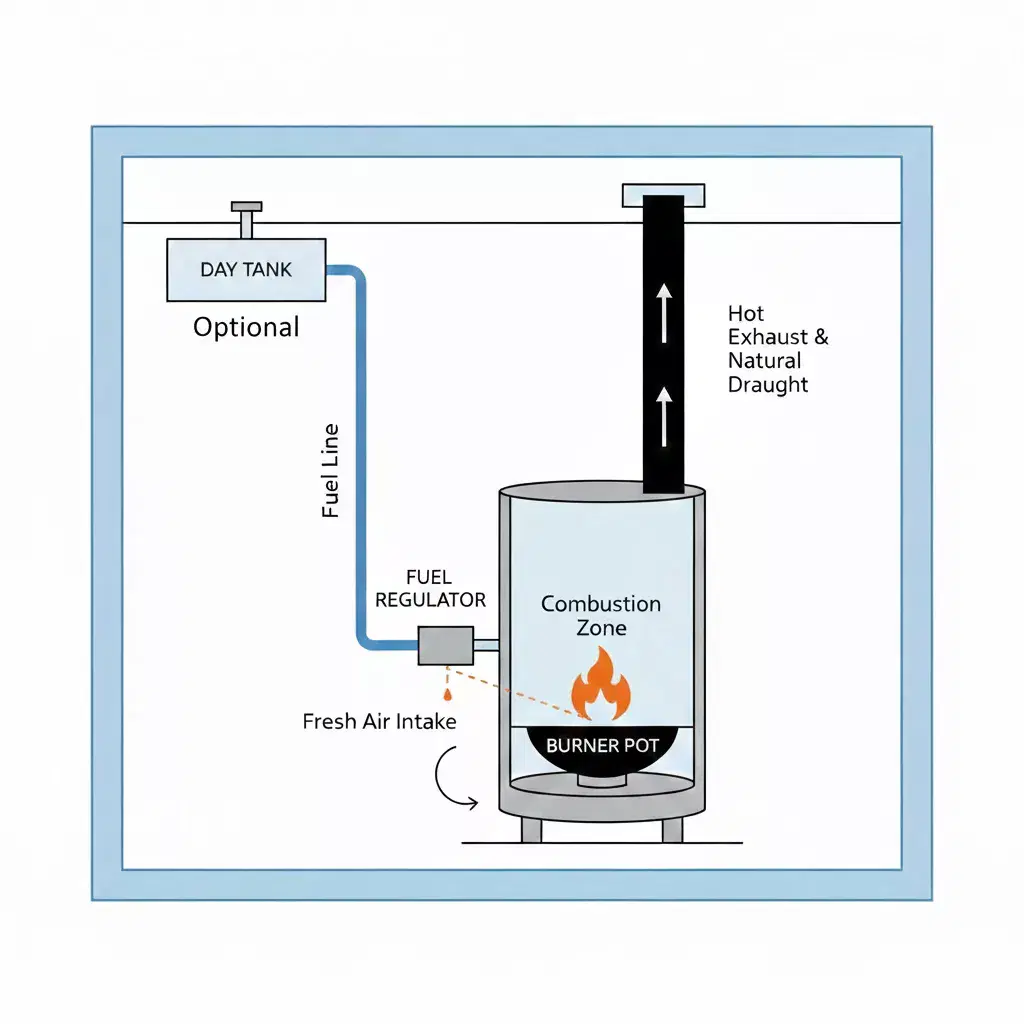
At its core, a Refleks diesel heater runs on a gravity-fed drip system. It’s a method that is both elegant and incredibly tough. Your diesel is stored in a small day tank, which needs to be positioned slightly higher than the heater itself. That little bit of height is crucial – it lets gravity do all the work, ensuring a constant, reliable dribble of fuel without needing any electric pumps.
From the tank, the diesel makes its way down to a precision-engineered fuel regulator. This part is really the brains of the whole operation, meticulously controlling how much fuel drips into the burner pot. By tweaking this regulator, you have direct control over the heat output. You can dial it right down for a gentle background warmth on a cool autumn evening or crank it up to fight off the depths of winter.
The Magic of Natural Draught Combustion
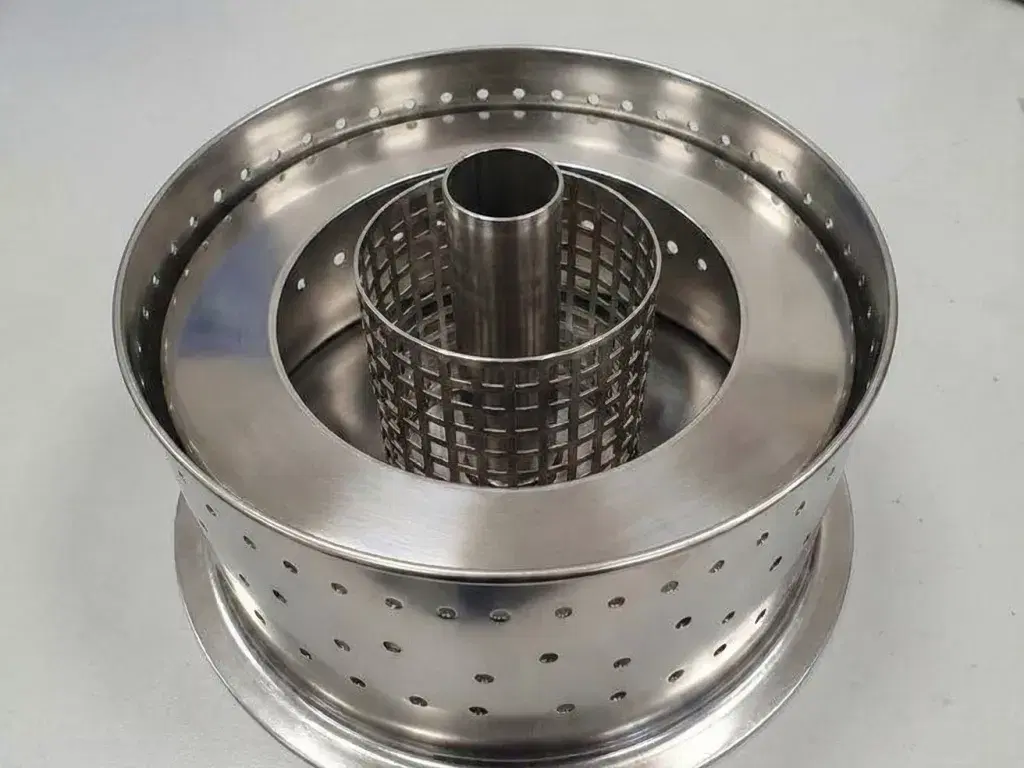
Once the fuel drips into the burner pot, the heat vaporises it and mixes it with air. This is where the second piece of clever engineering comes into play: the natural draught principle.
As the fuel combusts, the hot exhaust gases become lighter than the surrounding air, causing them to rise up and out through the flue pipe. This upward movement creates a gentle but continuous vacuum inside the heater. This vacuum is just strong enough to pull in the perfect amount of fresh air needed for clean, efficient combustion.
- No Fans, No Noise: The whole process is driven by natural convection, which means no electric fans. The result is a virtually silent heater, a massive plus for anyone who enjoys the peace and quiet of life on the water.
- No Power Required: Because there’s no need for any electrical bits to manage airflow, the heater is completely independent of your boat’s battery bank.
This self-regulating system is inherently safe and reliable. It automatically balances the fuel-to-air mix, giving you a clean burn that squeezes the maximum amount of heat out of every last drop of diesel. If you’re keen to get into the nitty-gritty of the science, our comprehensive guide offers more on understanding boat diesel heaters.

More Than Just a Heater
Many Refleks models, like the ever-popular Refleks 2000, can be fitted with a back boiler heat exchanger. This simple addition turns your heater into a dual-purpose workhorse, using the very same combustion process to heat water for your taps or even supply a small radiator system.
Suddenly, your heater isn’t just a space-heating appliance; it’s the heart of your boat’s domestic comfort. You can have a warm cabin and hot water for washing up, all from a single, silent, and efficient unit that sips fuel. For life afloat, it’s an incredibly practical solution.
The real beauty of the Refleks design is its fail-safe nature. Because it relies on fundamental physics rather than delicate electronics, there’s very little that can actually go wrong. It’s a system built for self-sufficiency and genuine peace of mind on the water.
Choosing the Right Refleks Model for Your Boat

Picking the right size of heater is probably the most important decision you’ll make for year-round comfort on your boat. It’s a bit of a Goldilocks situation. Go too small, and it’ll struggle to keep the chill at bay on a frosty morning. Go too big, and you’ll end up with a stuffy cabin and an inefficient, sooty burn.
To get it just right, we need to look past simple boat length and think about what really matters. It comes down to three things: the internal volume of your living space, how good your insulation is, and how you actually use your boat. A full-time liveaboard on a well-insulated widebeam has completely different needs to someone with a GRP cruiser they only use on sunny weekends. Nailing this at the start is the key to getting it right.
Calculating Your Heating Needs
Before you even glance at specific models, you need a realistic idea of the heat output your boat actually requires. This is measured in kilowatts (kW), and getting this figure sorted will point you in the right direction.
- Internal Volume: Get your tape measure out. Work out the length, width, and average height of the cabin space you want to heat. Multiply them all together to get your cubic volume. This is your baseline.
- Insulation Quality: This is a huge one. A modern boat with spray foam insulation will hold onto heat far better than an older one with barely anything. You need to be honest here – good insulation means you can get away with a smaller, more fuel-efficient heater.
- Boat Usage: Are you living aboard through the winter, or are you a fair-weather sailor? A liveaboard needs a heater that can tick over happily and efficiently on a low setting for days on end. An occasional user might just want something that gets the cabin warm fast.
Once you’ve thought about these factors, you can start matching your boat’s profile to the output of different Refleks diesel heaters. A little, well-insulated narrowboat cabin might only need 1.6kW, but a big open-plan barge could easily demand 5.8kW or more to stay properly warm and dry.
Profiling the Refleks Diesel Heaters Range
We stock a hand-picked selection of Refleks models, and each one is suited to different boats and heating demands. Let’s see how their specs translate to real life on the water.
The Refleks 66MW is a brilliant, compact option, putting out between 0.5kW and 1.6kW of heat. It’s bulkhead-mounted and has a tiny footprint, making it perfect for smaller narrowboats or the main cabin on a sailing boat where every inch of space counts. Its low fuel consumption, at just 0.1 to 0.3 litres per hour, makes it incredibly cheap to run for keeping a background warmth going.
If you need a bit more grunt, the Refleks 2000 steps things up to 4.2kW. This floor-mounted unit is a really popular choice for medium to large sized narrowboats, giving you plenty of warmth for a typical open-plan living space without being overkill.
For the bigger vessels, the Refleks 60M and 61M deliver a hefty 5.8kW output. This is the model you want for a large narrowboats or widebeams, Dutch barges, or any boat with large, connected spaces that need a powerful heat source to stay toasty through the winter months.
It’s no surprise that rugged heaters like these are becoming more popular. Their efficiency and off-grid reliability are exactly what you need in the UK marine world.
Refleks Diesel Heater Model Comparison
To make the choice a bit clearer, here’s a quick comparison of the models we recommend most often. This table should help you see at a glance which unit best fits your boat’s specific needs.
| Model | Heat Output (kW) | Recommended Boat Size | Hot Water Coil Option | Key Feature |
|---|---|---|---|---|
| Refleks 66MW | 0.5 – 1.6 | Small narrowboats, sailing boat cabins | No | Compact bulkhead-mounted design |
| Refleks 62M | 2.8 | Medium-sized narrowboats | Yes | Excellent all-rounder for typical boats |
| Refleks 60M and 61M | 5.8 | Larger Narrowboats, Widebeams, Dutch barges, | Yes | High output for more warmth. |
By thinking carefully about your boat’s volume, insulation, and your own lifestyle, you can confidently choose a Refleks diesel heater that will become the silent, reliable heart of your vessel for years. Getting this right now means countless comfortable days and nights on the water ahead.
Best Practices for Your Refleks Heater Installation

Choosing the right Refleks model is a great start, but it’s the quality of the installation that really determines how safe, efficient, and reliable your heater will be. This isn’t a job for guesswork or cutting corners. A proper, professional installation is absolutely non-negotiable for getting years of flawless performance and, most importantly, keeping you safe on the water.
Even if you hire a professional—which we always recommend—it pays to understand what a good installation looks like. Knowing the fundamentals empowers you to ask the right questions and make sure the work is done to the highest standard. From the heater’s position to the flue’s exit point, every single detail matters.
Location and Clearances
The first big decision is where to put the heater. This choice has a huge impact on both safety and performance. The spot you choose must have adequate clearance from any combustible materials—think wooden bulkheads, curtains, or furnishings. The manufacturer’s guidelines on this are precise for a reason, and they must be followed to the letter to prevent any fire risk.
Beyond just fire safety, the location has to be practical. You want it positioned where the radiant heat can circulate effectively through the cabin, creating a comfortable living space without roasting you in one spot. It also needs to be accessible for routine maintenance, like cleaning out the burner pot.
The Gravity-Fed Fuel System of Refleks Diesel Heaters
Refleks diesel heaters run on a beautifully simple gravity-fed fuel supply, but that simplicity depends on a careful setup. The day tank, which holds a small amount of diesel, must be installed higher than the heater’s fuel regulator. It’s this height difference that provides the necessary head pressure for a steady, consistent drip of fuel to the burner.
When it comes to the fuel line itself, there are a few key things to get right:
- A dedicated shut-off valve: This needs to be installed close to the tank. It’s a crucial safety feature that lets you easily cut the fuel supply for maintenance or in an emergency.
- An in-line fuel filter: This is vital. It stops tiny particles of dirt or water from getting to the delicate regulator, which can easily get blocked and cause running issues.
- Secure, leak-proof connections: Every single joint in the fuel line must be perfectly sealed. A diesel leak, no matter how small, is a serious hazard on a boat.
- Remote sensing fire stop valve: A remote sensing fire stop valve automatically detects heat and activates to shut off fuel flow to prevent or mitigate fire spread.
For anyone planning a new setup, our team has seen it all and done it all. You can find out more about our professional diesel heater installation services and how we make sure every system is safe, efficient, and built to last.
Mastering the Flue Installation
If you think of the fuel regulator as the brain of your Refleks heater, then the flue is its lungs. A correctly installed flue is absolutely critical for both performance and safety. It’s the flue that creates the natural draught, pulling combustion air into the heater and safely venting the exhaust gases outside.
An incorrect flue setup is the number one cause of poor performance. The flue has to be tall enough to clear the boat’s roof and any nearby structures to create a stable draught that isn’t messed about by wind turbulence. A flue that’s too short can lead to downdraught, where wind literally pushes exhaust gases back down into your cabin—a seriously dangerous situation.
As a rule of thumb, the flue should extend at least 600mm above the roofline. It also needs to be fitted with a proper flue cap designed to prevent downdraughts, no matter which way the wind is blowing.
Furthermore, every single joint in the flue system must be sealed with high-temperature sealant. This is a non-negotiable step to prevent any possibility of carbon monoxide—a colourless, odourless poison—leaking into your living space. A properly installed, fully sealed flue is the absolute cornerstone of a safe Refleks diesel heaters installation.
Keeping Your Refleks Heater in Top Condition
One of the very best things about Refleks diesel heaters is just how long they last. These things are built like absolute tanks, but the secret to getting decades of flawless service is a little bit of straightforward, regular care. With just a few simple jobs, you can keep your heater purring along as a reliable source of warmth.
Keeping on top of maintenance doesn’t mean you need a workshop full of specialist tools. It’s more about getting into a simple routine that stops tiny issues from ever snowballing into proper problems. This proactive approach gives you total confidence in your heating system, especially when a cold snap hits and you need it most.
Refleks Diesel Heaters Seasonal Maintenance Checklist
To keep your Refleks heater in peak condition, a quick seasonal check-up is all it really needs. Think of it as a quick MOT for your heater before the main heating season kicks in.
Here are the essential jobs to tick off your list:
- De-coke the Burner Pot: Over time, carbon deposits can build up inside the burner pot. This can mess with the flame and hit your efficiency. A gentle scrape with a suitable tool will clear this build-up right out, ensuring you get a clean, even burn.
- Inspect and Clean the Fuel Filter: Your in-line fuel filter is the first line of defence against dirt and water getting into the sensitive fuel regulator. Check it for any gunk and give it a clean, or just replace it if it’s looking past its best. A clean fuel supply is non-negotiable.
- Clear the Flue: Birds’ nests, soot, and other blockages in your flue can seriously throttle the heater’s natural draught and, more importantly, create a major safety risk. A quick sweep with a flue brush makes sure the exhaust path is completely clear.
- Check All Seals and Gaskets: Have a good look at the seals around the heater door and the flue connections. If they look worn, cracked, or damaged, get them replaced. This prevents any air leaks that could disrupt the combustion process.
These small tasks are absolutely fundamental to the heater’s performance. For a much more detailed guide on professional care, we’ve put together an article on servicing diesel-burning appliances on boats that goes into these points in greater depth.
Troubleshooting Common Issues
Even the most dependable heaters can have an off day. The good news is that with a Refleks, the cause is usually simple and pretty easy to figure out.
Problem Scenario: The Heater is Hard to Light
If you’re struggling to get the heater going, the problem is almost always down to fuel or air. The first thing to check—and don’t laugh, it happens—is that you actually have fuel in your day tank. Next, make sure the fuel valve is fully open and look for any air bubbles in the fuel line. Bubbles can point to a leak or mean you need to bleed the system. A blocked fuel filter is another prime suspect, as it can starve the heater of fuel.
Problem Scenario: The Flame is Smoky or Yellow
A healthy flame should be a nice, vibrant blueish-orange. If it’s turning yellow, looking sooty, or kicking out black smoke, that’s a dead giveaway of incomplete combustion. This is usually caused by either a carboned-up burner pot or an issue with the air supply. Check that your flue is completely clear and that the flue cap isn’t blocked, as this is essential for creating the correct natural draught.
A smoky flame isn’t just inefficient; it’s a warning sign. It means you’re not getting a clean burn, which wastes fuel and can lead to more serious soot build-up. Tackling it quickly is key to your heater’s long-term health.
By following these simple maintenance steps, you can be sure your heater continues to deliver that performance year after year. For reliable and efficient heating on the water, you can discover more insights about the diesel heater market on futuremarketinsights.com.
Common Questions About Refleks Diesel Heaters
When you’re thinking about an investment as important as a new heating system, it’s only natural to have a few questions. To give you some clarity, we’ve put together straightforward answers to some of the queries we hear most often from boaters considering Refleks diesel heaters.
How Much Diesel Does a Refleks Use in a Day?
This is one of the first things people ask, and the answer really shows just how efficient these heaters are. A model’s fuel consumption depends entirely on its size and how high you’re running it, of course.
Let’s take a real-world example. The compact Refleks 66MW, which is perfect for smaller cabins, sips diesel at an astonishingly low rate of just 0.1 to 0.3 litres per hour.
Think about that. If you left it running on a low setting for a full 24 hours just to provide gentle background warmth, you could use as little as 2.4 litres of fuel. For liveaboards trying to manage their fuel budget, that kind of efficiency is a game-changer.
Is It Safe to Leave My Heater Running Unattended?
Yes, it is, but with one very important condition: the heater must have been installed correctly by a qualified professional. You can leave the heater unattended while you are on board. Full burning applainces should never be left running if you are leaving the boat.
The beauty of the Refleks design is its inherent safety. It relies on natural physics rather than complex electronics that can fail. The gravity-fed fuel system and natural draught are wonderfully simple and self-regulating.
The key to safety is a professionally installed and fully sealed flue system. This ensures all exhaust gases are vented outside where they belong. Of course, regular maintenance and a working carbon monoxide alarm are also essential for total peace of mind.
It’s crucial to be aware of the risks that come with any fuel-burning appliance on a boat. We’ve put together a detailed guide on how to prevent carbon monoxide poisoning, which is essential reading for any boater.
Just How Quiet Are They Really?
Honestly? They are genuinely whisper-quiet. One of the main reasons boaters choose Refleks heaters over forced-air alternatives is the blissful silence. Because they operate on a natural draught principle, there are no electric fans, pumps, or motors whirring away in the background.
The only sound you’ll hear is the very gentle, reassuring whisper of the flame inside the burner pot. It’s a subtle sound that actually adds to the cosy atmosphere rather than taking away from it. If you value the peace and quiet of life on the canals, this is a massive plus.
- No Fan Noise: The absence of a fan means no electrical hum or the sound of rushing air.
- No Pump Clicks: The gravity-fed system eliminates that rhythmic clicking you get from a fuel pump.
- A Soothing Ambiance: The quiet operation just makes for a much more relaxing and comfortable cabin.
This silent performance, combined with their off-grid capability and dry heat, is what makes Refleks diesel heaters such a solid and worthwhile investment for life on the water.
Our Refeks Diesel Heaters and Installation Services
Ready to bring silent, reliable, and efficient warmth to your boat? The team at Marine Heating Solutions are OFTEC-certified experts in installing and servicing diesel appliances on boats. Explore our range of Refleks Diesel Heaters to find the perfect heating solution for your vessel.
For quotes and bookings, call or email us here.