A trusty stove is the heart of any narrowboat. When it’s working, your cabin is a cosy refuge from the world. But when it packs in, that refuge can get cold, fast. Getting your narrowboat stove repair right often starts with knowing exactly what you’re dealing with—be it a classic solid fuel burner or a more modern diesel heater. This guide will walk you through diagnosing and sorting common problems safely.
Keeping Your Cabin Warm and Safe
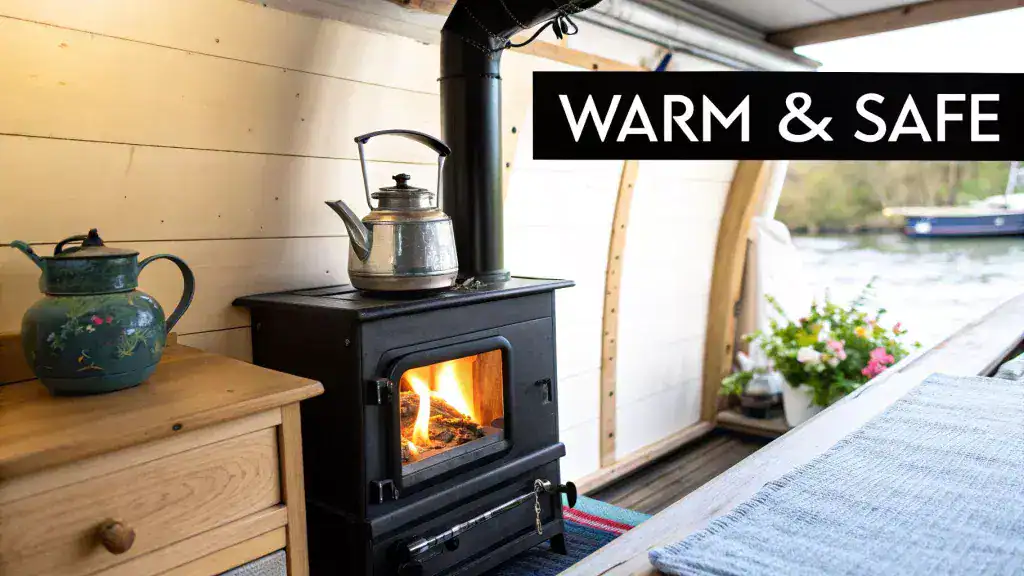
That gentle, radiating heat is one of the best parts of life on the canals, especially when the temperature drops. According to the Canal and River Trust, around 25% of the UK’s 35,000 boaters live aboard all year round. For them, a dependable stove isn’t a luxury; it’s an absolute necessity for comfort and safety.
When your stove fails, it’s more than just an inconvenience—it can introduce real risks. Things like poor ventilation or a dodgy flue installation can quickly lead to serious hazards. Knowing the difference between a simple fix you can tackle yourself and a problem that needs an expert is crucial for staying warm without compromising your safety or your Boat Safety Scheme (BSS) certificate.
Prioritising Air Quality and Safety
A healthy cabin is about more than just staying warm. A malfunctioning stove can seriously compromise the air you’re breathing.
- Ventilation is everything: You must have proper airflow, especially when the stove is lit, to stop harmful gases from building up. Don’t block your vents.
- Get a CO alarm: A working carbon monoxide alarm is non-negotiable on any boat with a fuel-burning appliance. It’s a literal lifesaver. Our guide explains more about how to prevent carbon monoxide poisoning.
- Watch for red flags: Are you seeing soot stains around the flue collar? Is smoke puffing back into the cabin? These are immediate warning signs that need urgent attention.
Looking after your living space is paramount. Beyond just your stove, it’s always worth looking into general methods for improving indoor air quality to keep your floating home feeling fresh and safe.
Diagnosing Common Stove Problems
Before you start pulling things apart, it’s crucial to get a clear idea of what’s actually gone wrong. A bit of systematic thinking now can save you a lot of time and money ordering parts you don’t need. It helps you get straight to the root of the problem.
Is your multi-fuel stove refusing to stay in overnight? It’s a classic issue, and usually boils down to one of three things. First, check your fuel – is it damp? Wet wood or coal just won’t burn properly. Next, have a look at the rope seal around the stove door. If it’s worn and letting too much air in, the fire will simply roar away and burn out far too quickly. Finally, make sure your vents aren’t choked with ash, as that will starve the fire of the air it needs.
Identifying Diesel Faults
Diesel stoves come with their own set of quirks. If you’re seeing black smoke or a build-up of soot, that’s a dead giveaway you’ve got an issue with the fuel-to-air mix or a dirty burner pot. It’s often a messy job to sort out, but it has to be done. We go into a lot more detail in our guide to servicing diesel burning appliances on boats.
With more people than ever enjoying life on the canals and rivers, these heating and cooking systems are no longer just a luxury; they’re essential. Nailing the diagnosis isn’t just about staying warm, it’s a fundamental part of staying safe afloat.
The demand for reliable maintenance is part of a bigger picture. The UK’s boat repair sector has seen some serious growth, with a compound annual growth rate of 15.7% between 2019 and 2024. It’s all driven by the rising number of people discovering the joys of narrowboat life.
Your Guide To DIY Maintenance and Repairs
Keeping on top of your stove’s maintenance is the single best way to dodge unexpected breakdowns and pricey call-out fees. A lot of the common niggles can be sorted with a bit of confidence and the right approach, which is a massive win for your wallet and your peace of mind. That’s really the heart of effective narrowboat stove repair.
With solid fuel stoves, for instance, two of the jobs you’ll see most often are replacing knackered firebricks and frayed door rope seals. If a firebrick is crumbling, your stove body won’t be protected effectively, and you risk damaging the stove’s body. A dodgy seal is just as bad – it lets too much air in, making the fire roar away and chew through your fuel. It could also let dangerous gases leak into the cabin.
Diesel stoves need a bit of regular love too. Cleaning the soot out of the burn chamber is absolutely vital. If you don’t, you’re asking for poor combustion that creates a lot of soot. Clean the burner pot with a metal pan scourer twice a week, and use Rußfrei stove cleaner every 1 to 2 weeks.
Key DIY Repair Tasks
Right, before you even think about picking up a tool, safety comes first. No exceptions. Make sure the stove is completely cold and get some air moving through the boat.
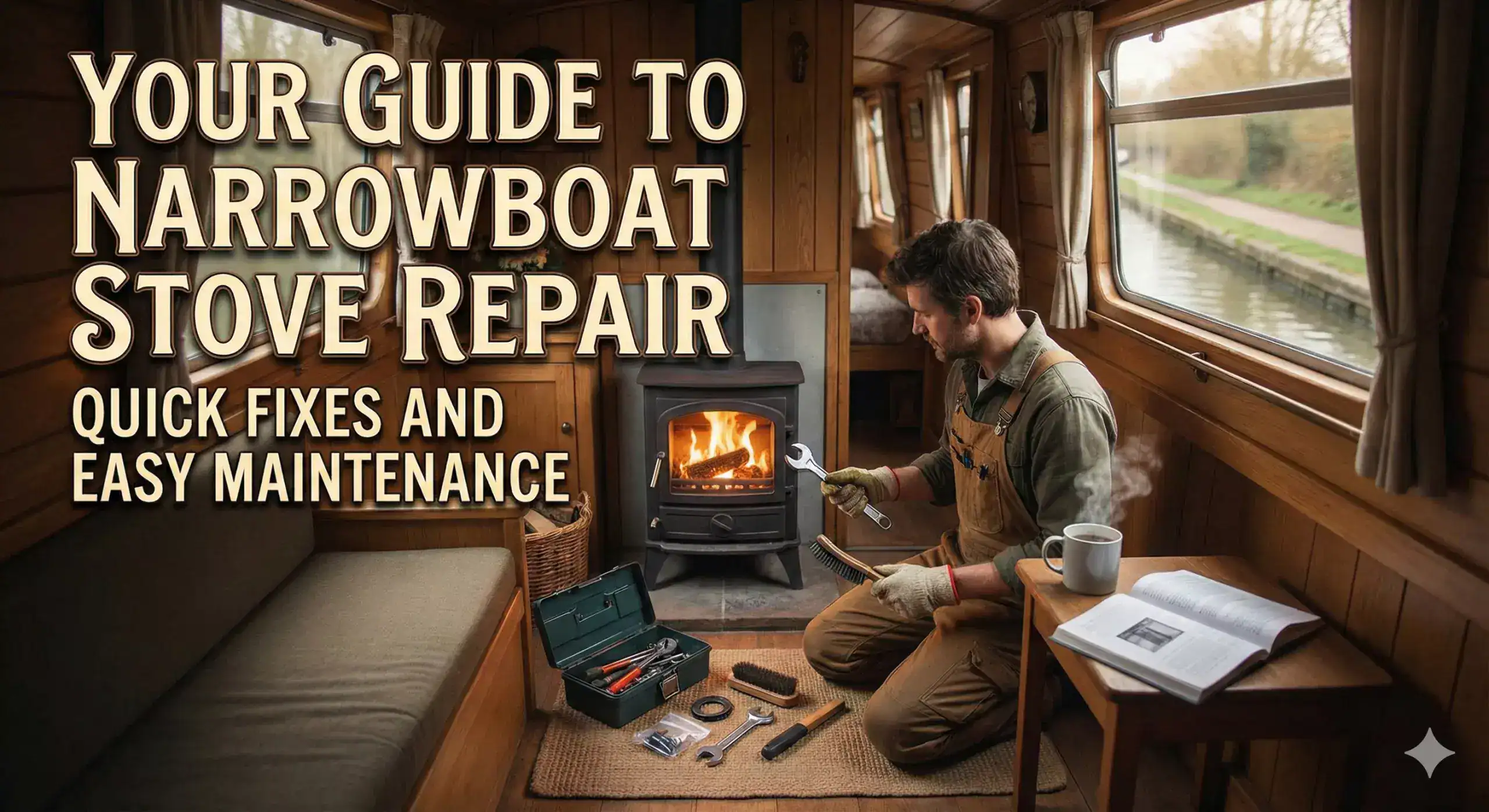
- Replacing Door Seals: Gently lever the old rope seal out of its channel and give the groove a good scrape to get it clean. Run a thin bead of high-temperature sealant in, then press the new rope in firmly until it’s snug.
- Swapping Firebricks: Carefully take out any retaining clips or bars holding the bricks in. Lift out the old cracked ones and slide the new ones into place. You’re looking for a nice, tight fit.
- Cleaning a Diesel Burner: Use a scraper, a metal pan scourer, or a wire brush to clean the bottom and sidewall of the burner pot. Remove all debris and dust with a vacuum cleaner or a damp cloth.
For those who enjoy getting their hands dirty and are always looking to build on their skills, you can explore a wider range of practical skills to grow your confidence.
When to Call in the Professionals
Knowing your limits is probably the most important part of staying safe on your boat. Yes, jobs like cleaning out the flue or swapping a rope seal are well within reach for a competent DIYer, but some tasks are strictly for the professionals.
A well-meaning but incorrect repair on your narrowboat stove can go wrong in a big way. The risks here are genuinely severe, from fuel leaks to carbon monoxide poisoning, and it’s just not worth the gamble.
An OFTEC-qualified technician has the specialist tools and, more importantly, the training to service solid fuel burners and diesel systems safely. This ensures your stove runs efficiently without chugging out dangerous fumes into your living space.
Your Safety and Your BSS Certificate
Trying to bodge a fix on these systems isn’t just dangerous—it can also mean an instant fail on your Boat Safety Scheme (BSS) inspection. A BSS examiner will go over every inch of your fuel systems to make sure they meet the strict standards.
The Canal & River Trust’s 2024 Boater Report noted that with over 35,000 boats on UK canals, encouraging professional repairs is vital to prevent fires and carbon monoxide incidents in such confined spaces. You can read more on the report’s safety findings here.
For genuine peace of mind and to make sure you’re fully compliant, always call in an expert. Our team is fully qualified to handle all aspects of stove care and repair, making sure your boat is warm, legal, and truly safe.
Budgeting for Stove Repairs and Upkeep
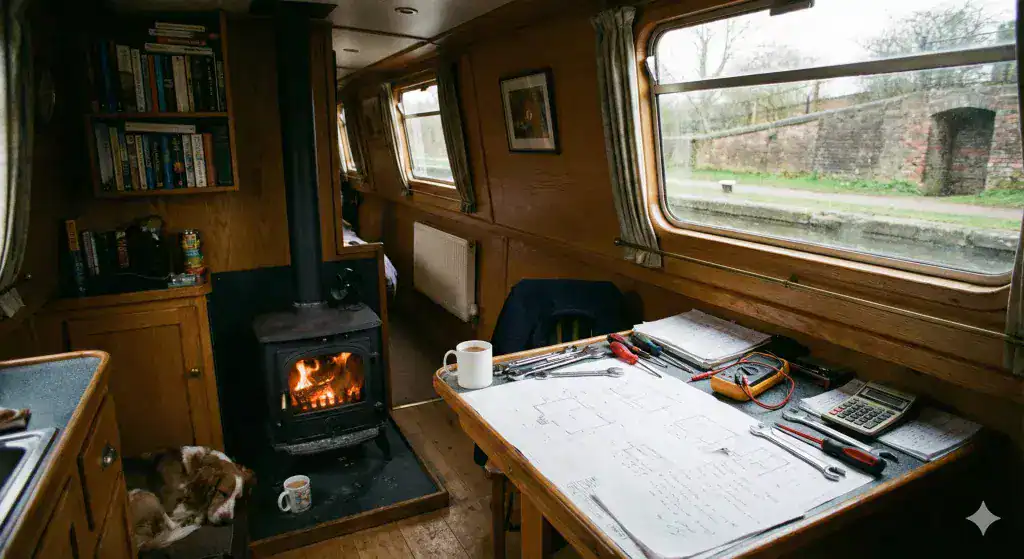
Keeping your boat warm shouldn’t come with nasty financial surprises. Being smart about budgeting for your narrowboat stove repair and general maintenance helps you stay one step ahead, stopping little niggles from turning into expensive emergencies.
When you’re forecasting your yearly spend, it’s about more than just fuel. You’ve got to factor in consumable parts like door seals and firebricks, and of course, the recommended annual stove inspection and service. It’s a good idea to put aside somewhere in the region of £100 to £200 annually for routine upkeep and general wear and tear.
Planning for Parts and Labour
While you can definitely handle some of the smaller jobs yourself, there are times when you just need to call in a professional. That’s why having an emergency fund set aside specifically for unexpected call-outs is so important.
- DIY Parts: Simple bits like fire rope or a new pane of stove glass are pretty inexpensive. For instance, you can source a replacement glass panel for popular models like the Morso Squirrel 1412 Solid Fuel Stove without it costing the earth.
- Professional Call-Outs: Getting a qualified engineer out to the boat will naturally cost more. Having that reserve fund means you won’t have to think twice about making that crucial call when a complex job crops up.
A bit of forward financial thinking means you’re ready for whatever your stove throws at you. This is a vital piece of the puzzle, and you can see how it fits into the bigger picture in our guide to the costs of living on a narrowboat.
Your Narrowboat Stove Questions Answered
We get asked all sorts of questions about keeping narrowboat stoves running safely and efficiently. To help out, we’ve put together some answers to the most common queries we hear from boaters. Hopefully, this clears a few things up and keeps you warm on the water.
How Often Should I Service My Stove?
Regular servicing is absolutely essential if you want your stove to have a long, trouble-free life. You can’t just fit and forget it.
For a classic solid fuel stove, you need to get that flue swept monthly, and the appliance itself serviced at least once a year. The best time is usually in the summer, before you start relying on it for the colder months. Diesel boat stoves are the same; they need an annual professional service to check the metering valve, flue flow, and give the fuel lines a proper check.
The most dangerous problems with a stove are often the ones you can’t see. Your carbon monoxide alarm is your single most important piece of safety kit—never, ever ignore it or take the batteries out.
What Are the Most Dangerous Warning Signs to Look Out For?
If you have a solid fuel or diesel stove, any smoke leaking back into the cabin is a massive red flag. It points to a serious blockage or a failed seal somewhere. Another tell-tale sign is poor or excessive draft, or soot building inside the diesel stove. These symptoms aren’t just cosmetic; they demand an immediate investigation and likely a narrowboat stove repair.
Our Narrowboat Stove Repair Services
For expert advice and certified repairs on any boat heating system, from the classic Salamander Hobbit Stove to the most complex diesel heaters, it pays to trust a specialist. Get in touch with us today to book a professional call-out.