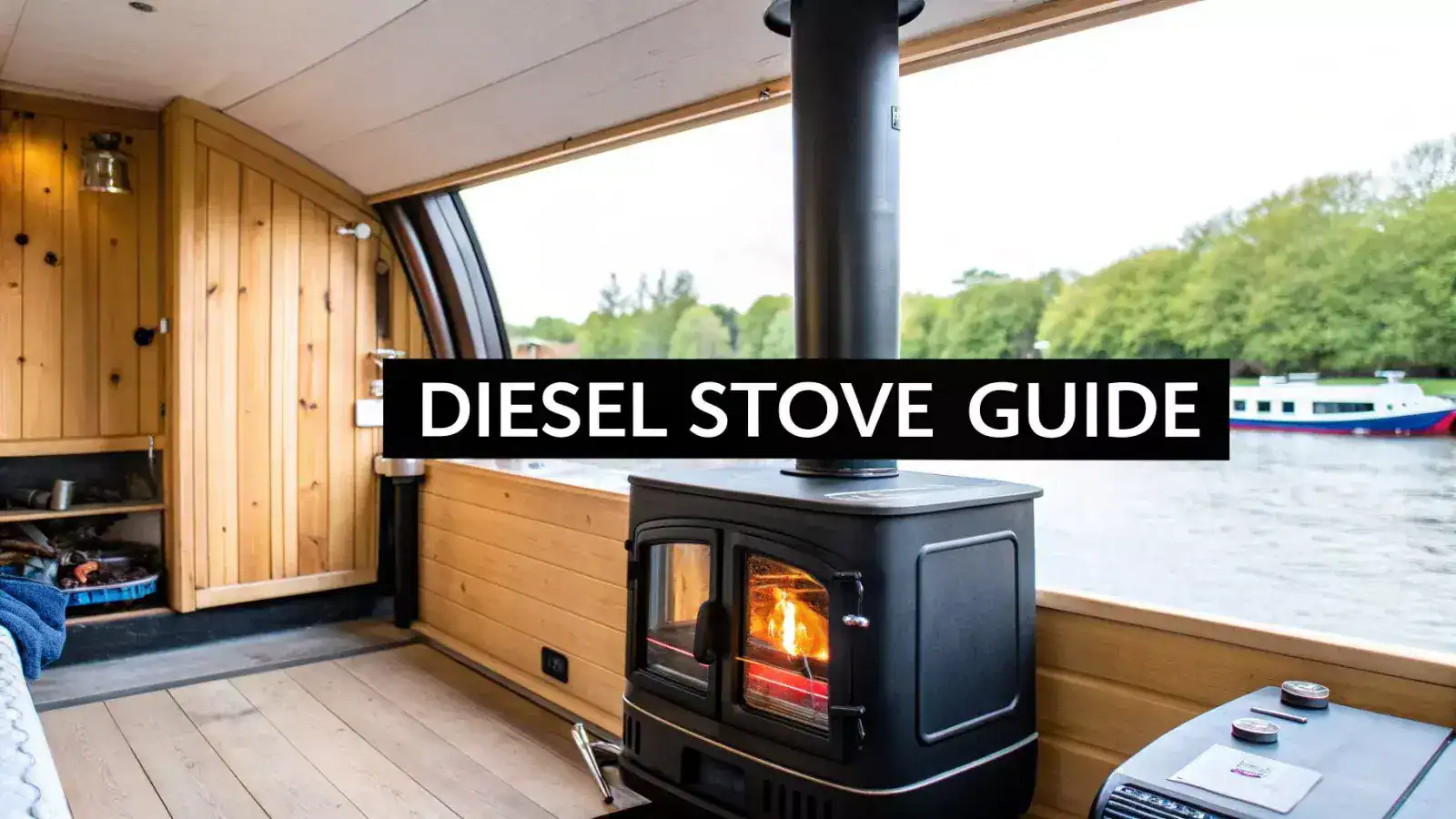
Choosing a diesel stove for your narrowboat is a fantastic way to get a reliable, efficient, and controllable source of heat that hooks straight into your main fuel tank. It’s a modern, practical alternative to the classic solid fuel burners, giving you consistent warmth with a lot less daily faff and a big boost in safety. For life on Britain’s often damp and chilly canals, it’s an absolute game-changer.
Why Choose a Diesel Stove for Your Narrowboat
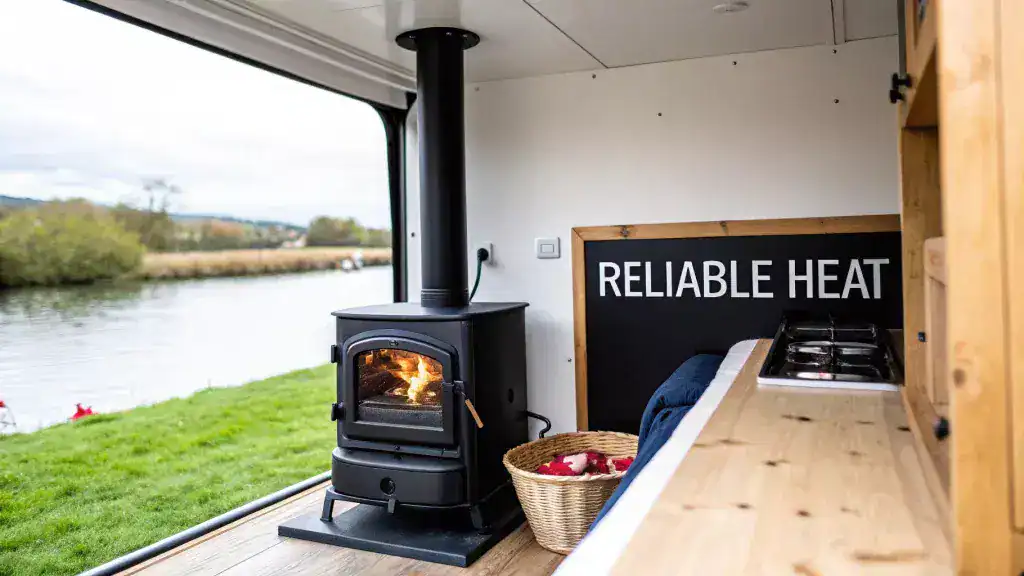
When you’re fitting out a narrowboat for year-round living, the heating system is the absolute heart of the vessel. While traditional solid fuel stoves have that undeniable rustic charm, a growing number of modern boaters are switching to diesel stoves for sheer practicality and efficiency.
Think of it like this: you could have a classic car or a modern one. Both have their appeal, but the new model gives you far better control, reliability, and day-to-day convenience. The move towards diesel is all about finding a heating solution that genuinely fits the demands of life afloat. A diesel stove isn’t just another appliance; it’s your dependable partner against the cold, keeping the cabin comfortable with much less hassle.
Unpacking the Core Benefits
The advantages of a diesel stove go well beyond just fuel convenience. These systems are properly engineered to make life on board much more comfortable, especially during those damp UK winters when condensation is a constant battle.
Here’s what really makes them stand out:
- Dry Heat Output: Unlike some heating methods that can actually add moisture to the air, diesel stoves produce a very dry heat. This is absolutely crucial for fighting condensation, stopping damp from setting in, and protecting your boat’s interior from mould and mildew.
- Low Daily Maintenance: Once it’s up and running, a diesel heater needs very little from you day-to-day. There’s no ash pan to empty or fuel to haul inside, leaving you more time to actually enjoy life on the canal.
- Enhanced Safety: When installed by a professional, diesel systems are incredibly safe. They use a sealed combustion chamber and a dedicated flue that vents all exhaust gases straight outside, posing a minimal risk to your living space as long as they’re properly looked after.
By blending modern efficiency with a really practical design, the various diesel stoves for narrowboats available today offer a solid, reliable heating solution for any boater looking for proper comfort.
Choosing the Right Stove Size and Location
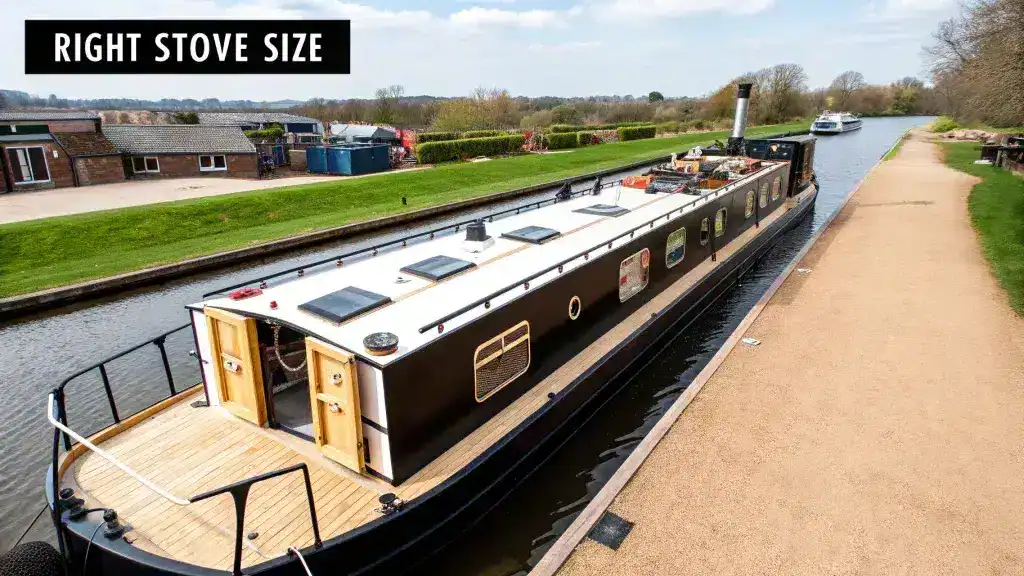
Picking the right size and spot for your diesel stove is one of the most critical decisions you’ll make for your boat. Get it right, and you’re set for cosy, consistent warmth all winter. Get it wrong, and you’ll either be sweating in a sauna or shivering in a permanent chill.
It’s a bit like buying a winter coat for your narrowboat. Too thin, and it won’t do the job. Too thick and bulky, and you’ll be overheating and uncomfortable. The aim is to find that perfect sweet spot for your specific boat.
Calculating Your Heating Needs
A stove’s power is measured in kilowatts (kW), which tells you its heat output. The higher the kW, the more heat it kicks out. To figure out what your narrowboat needs, you’ve got to look at a few things:
- Vessel Length: It’s simple really – a longer boat means more space to heat, so you’ll need a more powerful stove.
- Insulation Quality: A well-insulated boat holds onto heat much better, so you might get away with a smaller stove than you think. On the flip side, poor insulation means heat escapes easily, and you’ll need more grunt to keep things toasty.
- Number of Windows: Windows are notorious for heat loss. The more glass you have, the more heating power you’ll need to balance things out.
A stove that’s too powerful is just as bad as one that’s too weak. It’ll constantly be turning on and off, wasting fuel and creating annoying temperature swings. A stove that’s underpowered will simply never catch up on the really cold days.
Recommended Stove Size by Boat Length
To make things a bit easier, here’s a rough guide to help you match a stove’s heat output to the length of your boat. This table is a good starting point, assuming you have the standard level of insulation found in most UK narrowboats.
Recommended Diesel Stove Heat Output by Narrowboat Length
| Narrowboat Length (feet) | Typical Cabin Volume (cubic metres) | Recommended Heat Output (kW) |
|---|---|---|
| Up to 40 ft | 20-30 m³ | 1.5 kW – 2.5 kW |
| 40 ft – 57 ft | 30-45 m³ | 2.5 kW – 4.0 kW |
| 57 ft – 70 ft | 45-60 m³ | 4.0 kW – 5.5 kW |
This table gives you a solid idea of where to begin your search. Remember to factor in your specific insulation and window situation when making the final call.
For comparison, it’s always useful to look at established models. The famous Morso Squirrel solid fuel stove is a classic on the canals and provides a great benchmark for heat output and robust design that many boaters trust.
Finding the Perfect Stove Location
Once you’ve got the size sorted, where do you put the thing? The best spot is a balancing act between good heat distribution, everyday safety, and making the flue installation as straightforward as possible. Most people opt for either the main saloon or the traditional boatman’s cabin.
Placing it in the saloon makes your main living area warm and welcoming, but you’ve got to be mindful of walkways and how close it is to your furniture. A stove in the boatman’s cabin creates a lovely cosy snug at the stern, but you might find it struggles to push heat all the way to the front of the boat.
The most important rule? Your chosen spot must allow for a straight, vertical flue run right up through the roof. Any bends or kinks in the flue will mess with the exhaust flow, kill your stove’s efficiency, and create spots for soot to build up – a serious safety hazard.
No matter where it goes, safety clearances are non-negotiable. The stove must be installed a safe distance from anything that could catch fire, like wooden bulkheads, curtains, or sofas. These minimum distances are laid out by the manufacturer. And it must always sit on a proper non-combustible hearth made of stone, tile, or metal to protect the floor.
How Your Stove’s Fuel System Works
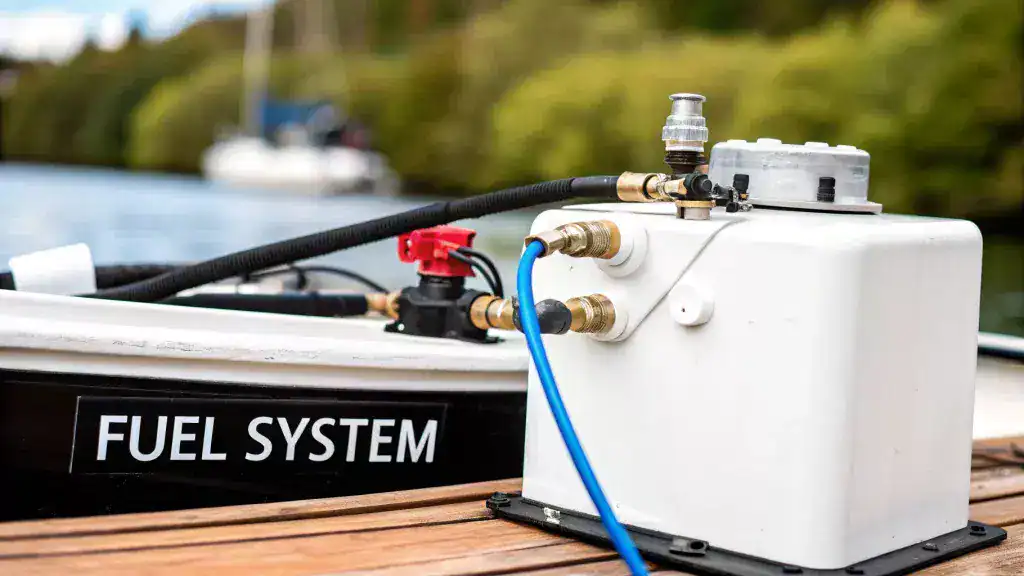
The real beauty of a diesel stove for a narrowboat lies in how neatly it integrates with your existing setup. Forget juggling separate fuel supplies like you would with a solid fuel burner. A diesel stove cleverly taps into the same main fuel tank that powers your engine, making life that much simpler.
Think of the fuel system as your stove’s lifeline. Its job is to pull a clean, steady stream of diesel from the main tank all the way to the burner. A tiny hiccup in this flow can bring the whole thing to a halt, so getting to know each component is key to keeping your cabin warm and trouble-free.
The Importance of Clean Fuel and Filtration
On a narrowboat, your diesel tank is constantly dealing with temperature swings, which can lead to condensation. This moisture creates the perfect breeding ground for ‘diesel bug’ – a nasty microbial slime that can clog up your entire fuel system. Put simply, contaminated fuel is the number one enemy of a diesel stove.
Even the smallest specks of dirt, rust, or drops of water can block the fine jets inside the heater, causing it to run poorly or fail altogether. That’s why good filtration isn’t just a recommendation; it’s non-negotiable.
Your fuel system should always have:
- A Primary Filter/Water Separator: Usually found close to the tank, this component’s job is to strip out larger bits of debris and any water before the fuel even gets to the pump.
- A Secondary (Final) Filter: This is a much finer filter positioned just before the stove. It’s there to catch any microscopic particles that might have slipped past the primary filter.
Checking and changing these filters regularly is one of the most important maintenance jobs you can do. It’s the secret to a reliable stove.
Understanding Fuel Consumption and Costs
For any liveaboard, keeping an eye on running costs is part of daily life. One of the big advantages of diesel is how predictable its consumption is. On average, a diesel stove will use about 0.3 litres of diesel per hour of continuous operation.
In the depths of winter, if you’re running the stove 24/7, that works out to around 7.2 litres a day. Since you’re already storing diesel for your engine, hooking up a stove is incredibly practical and avoids the hassle of storing another fuel type.
In the UK, narrowboats run on red diesel (gas oil) for both the engine and heating. It’s the same stuff as white diesel for cars, just with a red dye for tax reasons. To keep your system in top condition, especially when a freeze is forecast, it’s a very good idea to use a fuel additive. These prevent the diesel from ‘waxing’ (turning to gel) in the cold and often include a biocide to kill off diesel bug, keeping your whole fuel system healthy.
Exploring different types of diesel boat heaters can also help you find the most efficient model for your particular boat and needs.
Critical Flue and Ventilation Safety
Getting the fuel system right for a diesel stove is only half the battle. The other half – and arguably the more critical one – is safely managing the exhaust fumes and airflow. Your flue system isn’t just a pipe; it’s the single most important safety feature of your entire heating setup.
Think of it as the stove’s lungs. It has to breathe out all the nasty by-products of combustion, ensuring the air inside your boat stays clean and safe. Get this part wrong, and you’re dealing with the very real risk of lethal carbon monoxide (CO) build-up. There’s simply no room for error here.
The Anatomy of a Marine-Grade Flue System
A flue is a secure, one-way street for everything your stove spits out when it’s burning. It absolutely must be a completely sealed pipeline from the stove’s exhaust collar right up to the open air above your roof. Even a pinhole leak is a serious problem, as it can release dangerous gases directly into your living space.
A proper marine-grade flue is built from a few key parts, each with a specific job. Using high-quality, insulated components isn’t just about ticking boxes; it’s vital for both safety and the stove’s performance.
Here’s what you’re looking at:
- The Flue Pipe: Modern safety standards, especially the Boat Safety Scheme (BSS), are clear on this: you should use a twin-wall insulated flue pipe. This is a pipe-within-a-pipe design, with a crucial insulating layer sandwiched between them.
- The Deck Fitting: This is a specially designed, waterproof collar that lets the flue pass through the roof without letting rain in. It needs to be bedded in with a top-notch marine sealant to create a seal that will last.
- The Chimney Cap or Cowl: Popped on top of the flue, this little hat stops rain from pouring down your chimney. More advanced designs can also improve the stove’s draw and are brilliant at preventing downdrafts on blustery days.
That twin-wall insulated flue is a major safety upgrade. It keeps the outer surface of the pipe significantly cooler, massively reducing the risk of it scorching your cabin’s woodwork or headlining and causing a fire.
Why Cabin Ventilation is Just as Important
So, the flue gets the bad air out. But what about getting good air in? A diesel stove is hungry for oxygen and needs a constant supply of fresh air to burn its fuel cleanly and efficiently. In the confined space of a narrowboat, it can chew through the available oxygen surprisingly quickly if there’s no fresh air coming in to replace it.
This is where you run into the risk of oxygen depletion. When a stove is starved of air, it can’t burn the fuel properly, which leads to something called incomplete combustion. This process churns out much higher levels of carbon monoxide – the colourless, odourless gas you really don’t want in your cabin.
To stop this from happening, your narrowboat must have adequate, permanent ventilation. These are vents that can’t be closed off. They guarantee a constant flow of fresh air into the cabin, no matter if you’ve got doors and windows shut tight. The BSS has very specific rules on the size and location of these vents, based on the appliances you have on board.
For a deeper dive into getting the most out of your flue, you can learn more about the importance of anti-downdraft cowls in our dedicated guide.
Meeting Boat Safety Scheme Requirements
Following the Boat Safety Scheme (BSS) guidelines isn’t optional; it’s essential for any diesel stove installation. When a BSS examiner comes aboard, you can bet they’ll be paying very close attention to your flue and ventilation.
Here’s what they’ll be looking for:
- A secure and sealed flue system all the way from the stove to the outside, with zero leaks.
- Adequate clearance between the hot flue pipe and any combustible materials like wood panelling.
- A properly installed deck fitting that is completely sealed and watertight.
- Sufficient permanent ventilation to feed the fire and keep the air in your cabin safe to breathe.
A professionally installed flue and good cabin ventilation aren’t separate things; they work together as a complete safety system. They make sure your diesel stove runs like a dream while protecting you and your family from the silent dangers of its exhaust.
Professional Installation and BSS Certification
While the DIY spirit is alive and well on the canals, installing a diesel stove for a narrowboat is one of those jobs best handed over to the professionals. This isn’t just about getting it done quicker; it’s a critical safety issue that affects your compliance and how well your heater works for years to come. Think of hiring a qualified marine engineer as an investment in your peace of mind.
A proper installation is so much more than just hooking up a few pipes. When our certified engineers at Marine Heating Solutions get to work, they run through a whole series of meticulous checks. We make absolutely sure every fuel line connection is bone dry and leak-proof, all the wiring is secure and properly rated, and that the flue is perfectly sealed and structurally solid. We finish up by firing the stove up for commissioning tests, fine-tuning its performance to make sure it’s running at peak efficiency and, most importantly, safely.
The Importance of the Boat Safety Scheme
The Boat Safety Scheme (BSS) is the gold standard for keeping boats safe on UK inland waterways. Getting that BSS certificate isn’t just a nice-to-have; for most boaters, it’s a must-do to get insurance and keep your mooring. When an examiner comes aboard, you can bet your heating system will be getting a very close look.
A BSS examiner has a specific checklist they’re working through. They’ll be looking for things like:
- Secure Fuel System: They’ll check that all fuel lines are made from the right materials, are properly supported, and have no signs of leaks or wear.
- Correct Flue Installation: The flue needs to be sealed tight, use insulated sections where it passes through the roof, and maintain a safe distance from any combustible materials.
- Adequate Ventilation: The cabin must have enough permanent vents to give the stove the air it needs to burn properly and prevent oxygen levels from dropping.
- Carbon Monoxide Alarm: A working CO alarm has to be in the right spot.
This simple diagram shows the core safety principle of a diesel stove setup—the exhaust gases need a clear, sealed path from the stove, up the flue, and safely out of the boat.
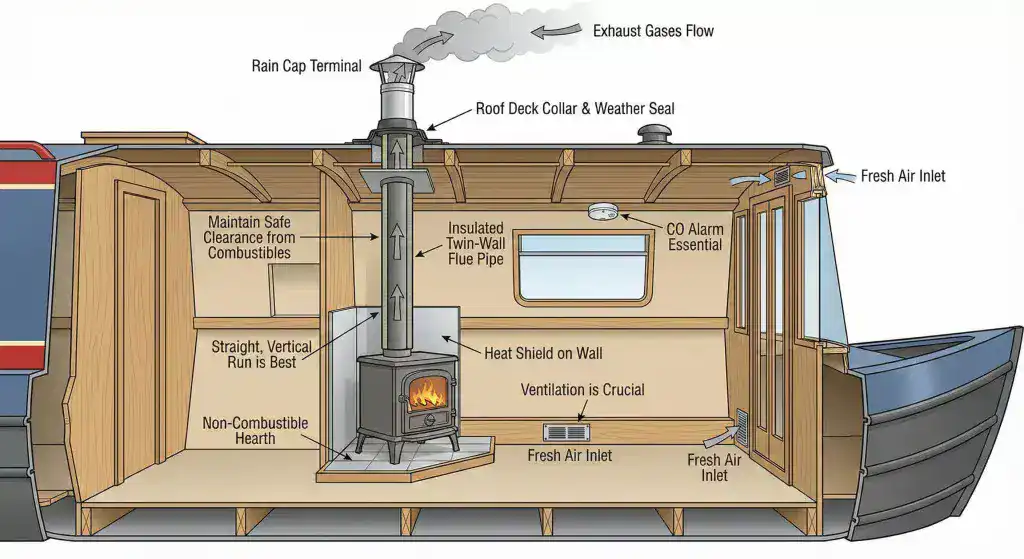
It’s all about keeping the dangerous by-products of combustion completely separate from your living space. Every single part of the system is designed with that one goal in mind.
Why Professional Certification Matters
Stoves have been a reliable feature on the canals for a very long time. Research shows that stove-related incidents are incredibly rare and are almost always down to a dodgy installation or poor maintenance, not a problem with the stove itself. Strict safety standards are non-negotiable for any heating appliance, especially when you’re in a confined space. For a deeper dive into regulatory compliance around ventilation, this guide on national roof ventilation requirements offers some useful insights.
Choosing a certified installer is your guarantee that every single part of your diesel stove setup meets the strict BSS criteria from day one. It keeps you safe and makes your BSS examination a completely stress-free experience.
Our team at Marine Heating Solutions is fully trained and has bags of experience installing systems that are safe, efficient, and 100% compliant. We bring the expertise you need to sail through your BSS inspection, giving you total confidence in your boat’s heating. Find out more about how we can help by checking out our information for Boat Safety Scheme examiners.
Simple Maintenance and Troubleshooting
Once your diesel stove is properly fitted, it will quickly become a reliable, low-effort companion for life on the cut. But like any hard-working piece of kit, it needs a little routine care to keep it performing at its best. Consistent, simple maintenance is the secret to making sure your stove is a dependable source of heat, season after season.
Think of it as the basic health checks you’d do for your boat’s engine. A few minutes spent on regular inspections can stop minor issues from snowballing into major headaches, guaranteeing you have warmth whenever you need it. This proactive approach not only extends the life of your heater but also ensures it runs efficiently and safely.
Your Routine Maintenance Schedule
Keeping your diesel stove in top condition doesn’t mean you need to be a mechanical whizz. A simple schedule of daily, monthly, and yearly checks will cover all the essentials and keep everything ticking over nicely.
Here’s an easy-to-follow plan:
- Daily Checks: Before you fire up the stove, just give it a quick visual once-over. Check for any tell-tale signs of fuel leaks around the connections and make sure the area is clear of any flammable bits and bobs that might have been moved too close.
- Monthly Tasks: Take a moment to inspect your fuel filter. Have a look for any visible water or sediment in the filter bowl. If it looks a bit murky, it’s time for a clean or a replacement. This one simple step is key to preventing fuel starvation problems.
- Annual Service: Once a year, ideally before winter really sets in, your stove needs a full service. This is a deeper clean that involves decoking the burner pot to get rid of carbon build-up and giving the entire flue system a thorough check for security and blockages.
With a growing community of 34,367 licensed boats on the Canal & River Trust network by 2019, keeping onboard appliances in good nick is more important than ever. The Trust advises regular flue cleaning and system checks to ensure safe and efficient operation. This is especially true for diesel stoves, where fuel consumption can average 0.25 to 0.5 litres per hour—making peak efficiency vital for managing winter fuel costs. You can learn more about optimising your canal boat stove performance here.
Quick Troubleshooting Guide
Even the best-kept stove can have an off day. When something goes wrong, a bit of simple diagnosis can often get you back up and running without needing to call out an engineer. Most common issues with a diesel stove for a narrowboat come down to three things: fuel supply, airflow, or electrical power.
Before you start pulling things apart, always check the obvious stuff first. Is there actually enough fuel in the tank? Is your battery bank charged? You’d be surprised how often these simple oversights are the culprit when a stove won’t start.
To help you out, we’ve put together a quick-reference table. It covers the most frequent problems you might run into, what’s likely causing them, and the simple steps you can take to sort them out.
Common Diesel Stove Problems and Solutions
| Symptom | Possible Cause | What to Check / Solution |
|---|---|---|
| Stove fails to light | No fuel getting to the stove, or a low battery voltage. | Check your fuel level. Inspect the fuel filter for blockages. Ensure your batteries have sufficient charge to power the glow plug and pump. |
| Black smoke from flue | Incomplete combustion, often due to restricted airflow. | Check that the flue outlet isn’t blocked by soot or debris. Ensure your cabin’s permanent vents are clear to provide enough combustion air. |
| Stove cuts out | Overheating, or an intermittent fuel or electrical supply. | Make sure the stove’s air intakes are not blocked. Check all fuel line and electrical connections to ensure they are secure and free from corrosion. |
This sort of practical knowledge empowers you to handle the minor hiccups yourself, keeping your heating system in peak condition and guaranteeing you have reliable warmth all year round.
Got a Few Questions?
Thinking about a diesel stove for your narrowboat often brings up a few practical questions. It’s completely normal. Let’s run through some of the most common things people ask, so you can feel confident you’re making the right choice.
Are Diesel Stoves Noisy on a Narrowboat?
This is a big concern for many boaters, and thankfully, a modern diesel stove is surprisingly quiet. The main sounds you’ll hear are a gentle, rhythmic tick from the fuel pump and the low hum of the combustion fan.
Most people find these sounds quickly fade into the background, becoming part of the boat’s ambient noise. A professional installation makes all the difference here – using proper rubber mounts for the pump kills any vibration, ensuring your cabin stays peaceful and quiet.
Can I Use a Diesel Stove for Cooking?
Absolutely! Many marine diesel stoves are designed with a sturdy, flat top that gets plenty hot, essentially doubling as a hot plate.
It’s not going to give you the instant, precise temperature control of a dedicated gas hob, of course. But for simmering a stew all afternoon, keeping the kettle on the boil, or just warming a pan, it’s perfect. In a tight narrowboat galley, it’s a brilliant space-saver that pulls double duty.
How Important Is a Carbon Monoxide Alarm?
This isn’t just important; it’s non-negotiable. A carbon monoxide (CO) alarm is an essential piece of safety kit and a mandatory requirement under the Boat Safety Scheme for any boat with an appliance that burns fuel.
CO is a killer – you can’t see it or smell it. While a professionally installed and well-maintained diesel stove is incredibly safe, the CO alarm is your critical last line of defence. It’s the one thing that will shout loud and clear if there’s ever a fault with the stove or its flue, and it could save your life.
Our Narrowboat Diesel Stove Services
Ready to bring reliable, efficient warmth to your narrowboat? The team at Marine Heating Solutions has the experience to help you choose, fit, and certify the perfect diesel stove for your vessel. We’ll make sure it’s safe, fully compliant, and ready for cosy, year-round cruising. Contact us today for an estimate!