LPG Gas Cooker for Boats: The 2026 Guide to Marine Cooking
The Heart of the Galley Choosing an LPG gas cooker for your boat is a decision that balances culinary performance[…]
Read more

Installing and maintaining LPG (Liquid Petroleum Gas) systems on inland waterway vessels requires a specialised skill set that goes beyond standard domestic gas fitting. Due to the heavier-than-air nature of LPG and the enclosed environment of a boat hull, the technical requirements for ventilation, gas-tightness, and appliance stability are absolute. At Marine Heating Solutions, we provide specialised engineering support to ensure your gas system is BSS-compliant and operates with maximum safety in the unique marine environment.
Every fuel type has its own “personality” and safety quirks on a boat. Whether you’re looking for the dry heat of a diesel burner, the instant response of LPG, or the traditional feel of a solid fuel stove, the engineering requirements are completely different. To ensure your installation is efficient, safe, and fully BSS-compliant, click through to our dedicated guides for your specific system:
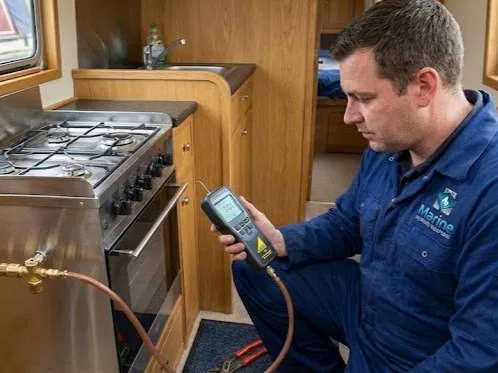
Our service model prioritises precision engineering to ensure your LPG system is both safe and fuel-efficient. By using digital manometers and marine-specific leak detection protocols, we ensure that every joint and appliance meets the highest technical standards.
LPG remains the most popular fuel for boat heating and cooking due to its reliability and availability. Whether you are installing a new oven or servicing a water heater, our work is documented to meet current PD 5482-3 standards. You can read our technical insight on how long a gas certificate lasts to understand your ongoing compliance requirements.
To maintain a valid Canal & River Trust (CRT) license, any vessel with a gas system must pass the Boat Safety Scheme (BSS).
As GasSafe marine engineers and OFTEC registered technicians, we specialise in certifying appliances like the EUP11RS Water Heater, ensuring they are flued correctly and safe for cabin use. Our recognised status with the Canal & River Trust ensures our installations respect the safety of the wider waterway community.
An LPG system is often part of a wider technical network. We provide specialised support for marine plumbing systems that utilise gas boilers, as well as marine electrical services for systems requiring 12V ignition or gas-solenoid safety cut-offs.

The Heart of the Galley Choosing an LPG gas cooker for your boat is a decision that balances culinary performance[…]
Read more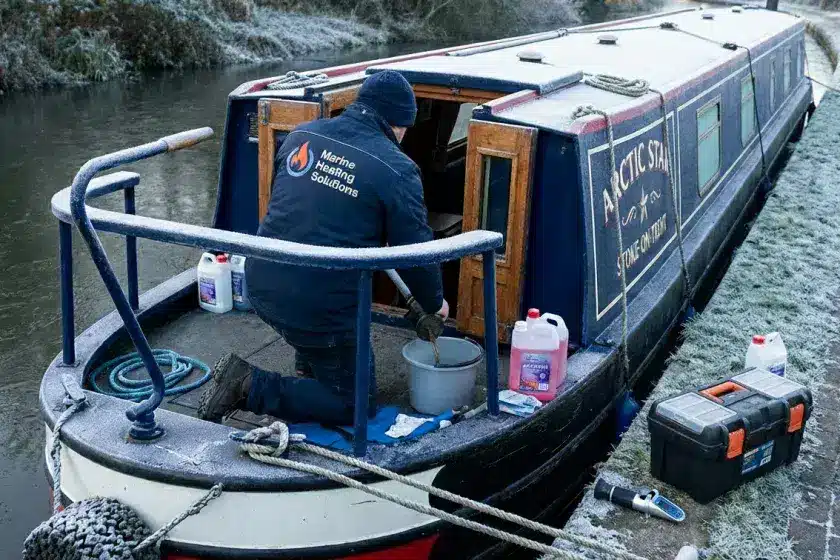
Don’t Let the Frost Bite Winterising your boat is the single most important maintenance task of the year. In the[…]
Read more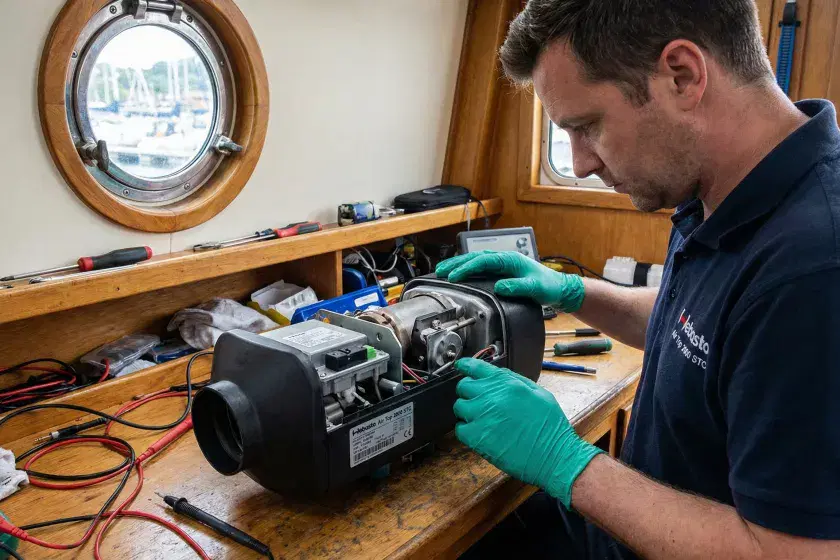
Essential Reliability for Cold-Weather Boating In the unique environment of a UK narrowboat or yacht, a Webasto heater is far[…]
Read more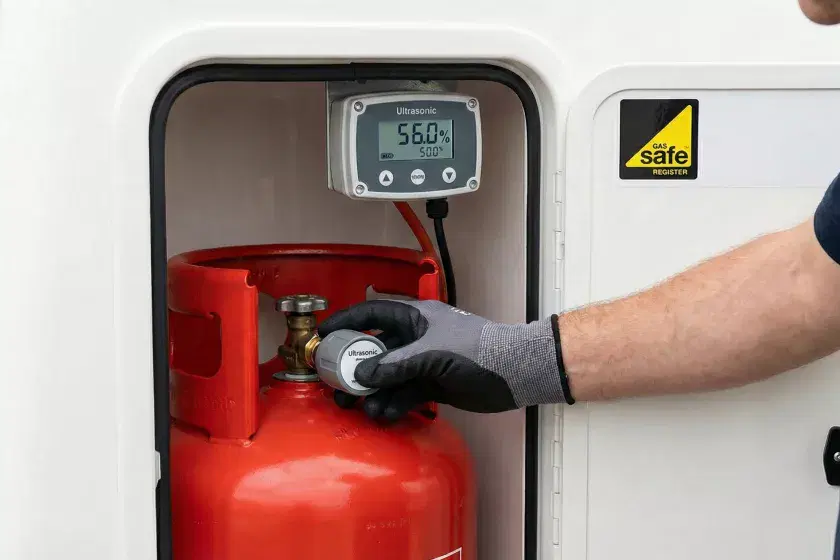
More Than Just a Convenience: A Safety Essential A gas bottle gauge is a must-have piece of safety kit for[…]
Read more
The Single Most Critical Link in Your Gas System It is easy to dismiss an LPG gas hose as just[…]
Read more
Why the Go Eco Adventurer is the Standard for 2026 When you’re fitting out a narrowboat, a cabin, or any[…]
Read more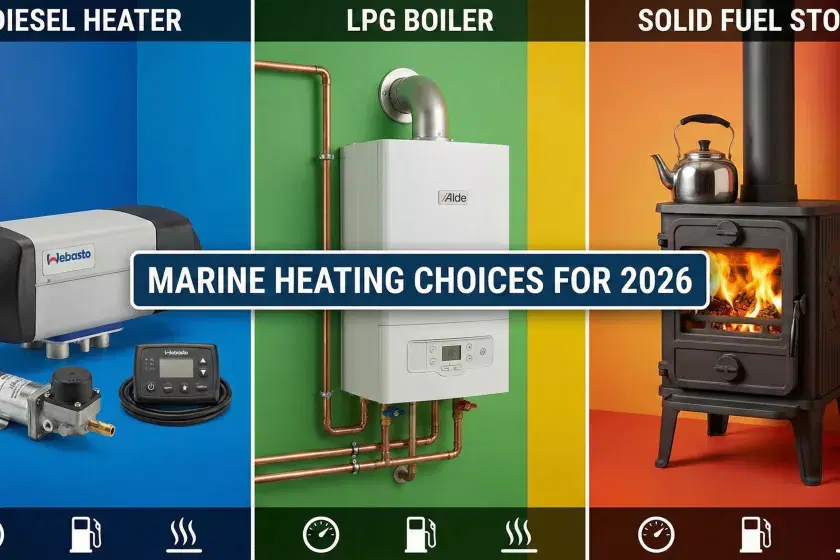
Picking the right heater for your boat is what turns a seasonal hobby into a year-round passion. In the UK,[…]
Read more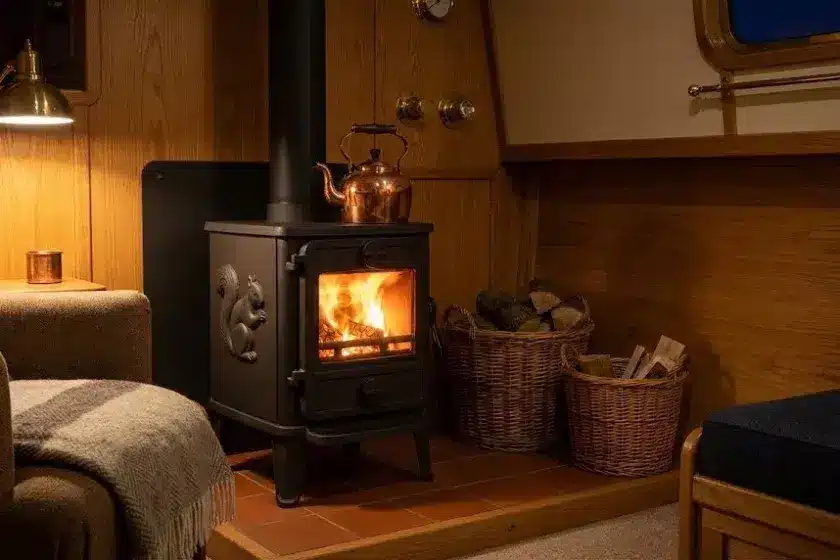
If you spend any time around boats, you’ll hear the name Morso Squirrel mentioned sooner or later. For decades, it’s[…]
Read more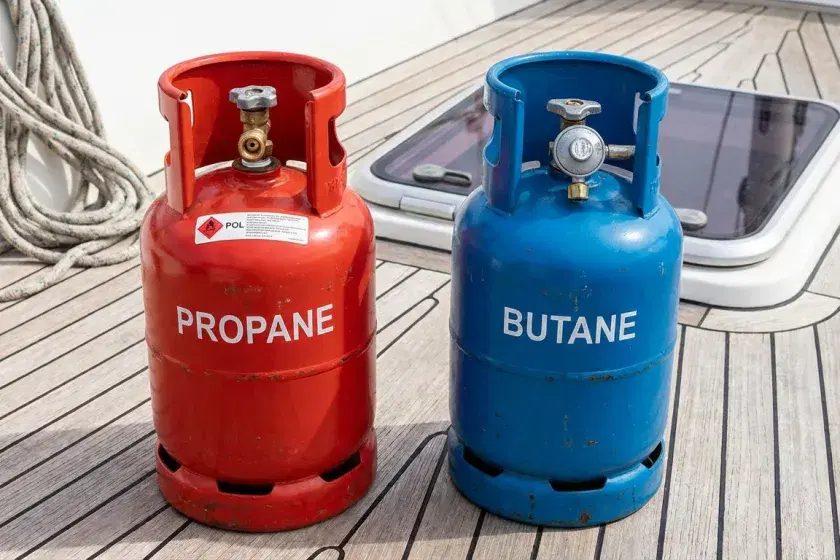
When it comes to powering marine appliances and systems, choosing the right fuel is essential. While both propane and butane[…]
Read more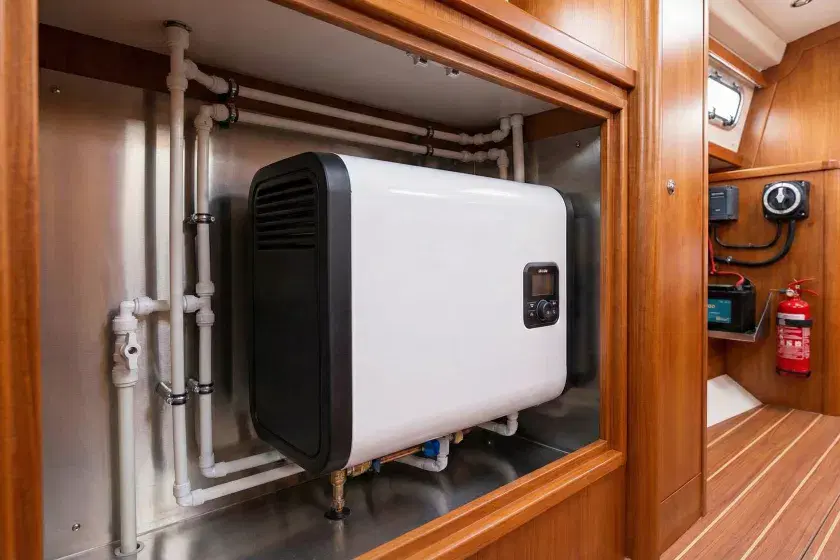
Choosing the right marine LPG gas boiler for your boat can significantly impact your comfort and convenience while at sea.[…]
Read more