Introducing The Narrowboat Doctor: Professional Triage, Scheduled for You!
Stop the guesswork. Whether you’re facing a heating failure, planning a complex system upgrade, or just bought your first boat,[…]
Read more

Installing and maintaining LPG (Liquid Petroleum Gas) systems on inland waterway vessels requires a specialised skill set that goes beyond standard domestic gas fitting. Due to the heavier-than-air nature of LPG and the enclosed environment of a boat hull, the technical requirements for ventilation, gas-tightness, and appliance stability are absolute. At Marine Heating Solutions, we provide specialised engineering support to ensure your gas system is BSS-compliant and operates with maximum safety in the unique marine environment.
Every fuel type has its own “personality” and safety quirks on a boat. Whether you’re looking for the dry heat of a diesel burner, the instant response of LPG, or the traditional feel of a solid fuel stove, the engineering requirements are completely different. To ensure your installation is efficient, safe, and fully BSS-compliant, click through to our dedicated guides for your specific system:
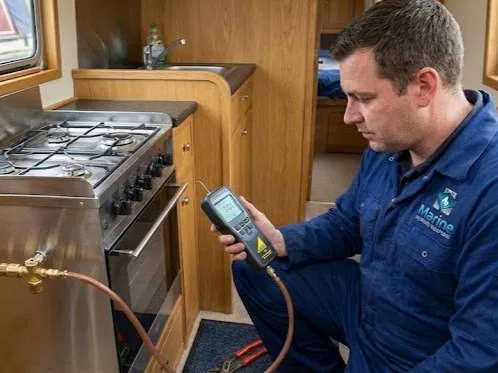
Our service model prioritises precision engineering to ensure your LPG system is both safe and fuel-efficient. By using digital manometers and marine-specific leak detection protocols, we ensure that every joint and appliance meets the highest technical standards.
LPG remains the most popular fuel for boat heating and cooking due to its reliability and availability. Whether you are installing a new oven or servicing a water heater, our work is documented to meet current PD 5482-3 standards. You can read our technical insight on how long a gas certificate lasts to understand your ongoing compliance requirements.
To maintain a valid Canal & River Trust (CRT) license, any vessel with a gas system must pass the Boat Safety Scheme (BSS).
As GasSafe marine engineers and OFTEC registered technicians, we specialise in certifying appliances like the EUP11RS Water Heater, ensuring they are flued correctly and safe for cabin use. Our recognised status with the Canal & River Trust ensures our installations respect the safety of the wider waterway community.
An LPG system is often part of a wider technical network. We provide specialised support for marine plumbing systems that utilise gas boilers, as well as marine electrical services for systems requiring 12V ignition or gas-solenoid safety cut-offs.
Stop the guesswork. Whether you’re facing a heating failure, planning a complex system upgrade, or just bought your first boat,[…]
Read more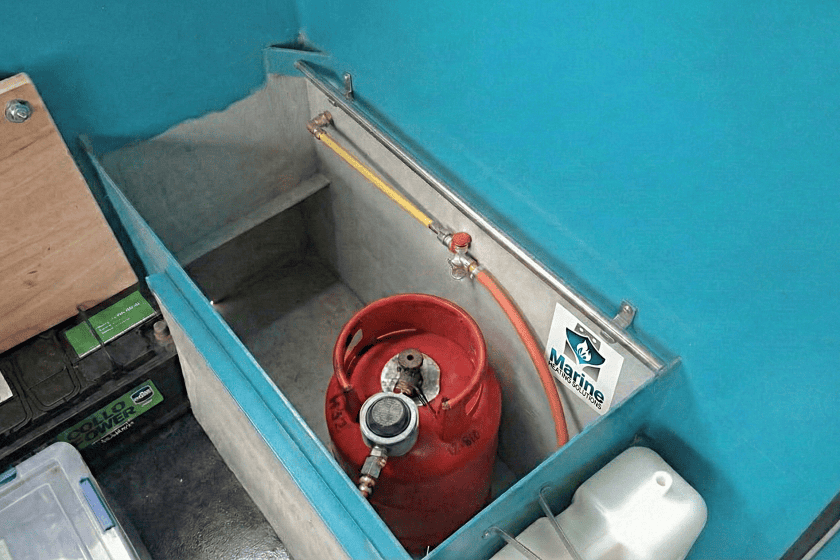
For many boat owners on the UK’s inland waterways, the gas locker is a “set and forget” compartment—until it’s time[…]
Read more
Let’s be honest: nobody buys a boat because they’re excited about “gas compliance.” You bought it for the misty mornings[…]
Read more
When you receive a quote for a complete heating system installation on your narrowboat or Dutch barge, the initial figure[…]
Read more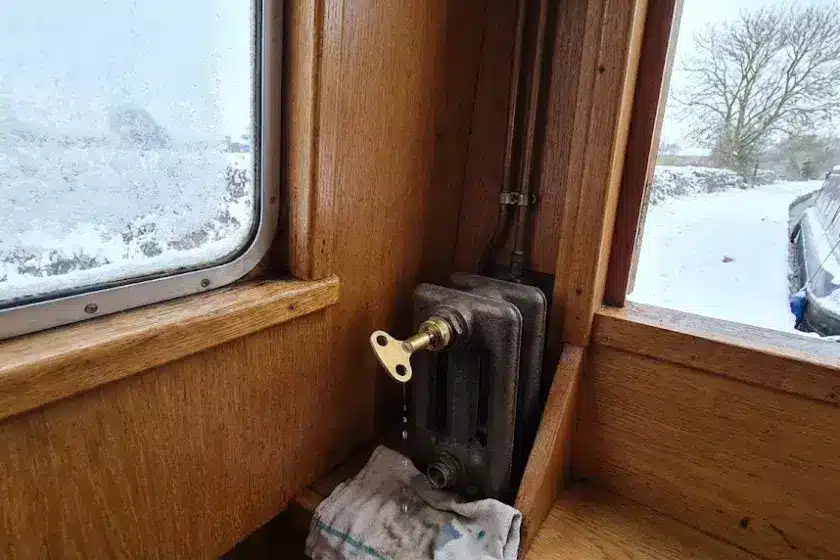
As the 2026 winter season settles across the UK inland waterways, a common frustration for many boaters is a heating[…]
Read more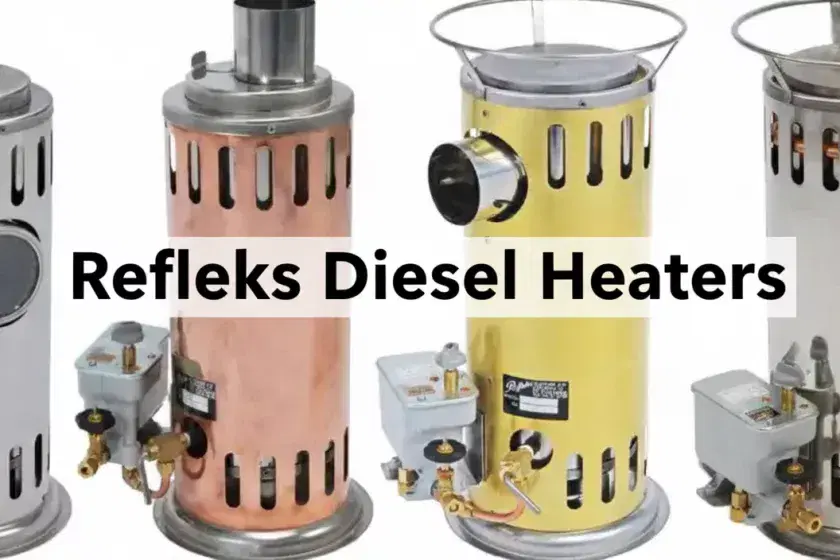
Living on the water in the UK brings a unique set of challenges, with damp air and plummeting temperatures being[…]
Read more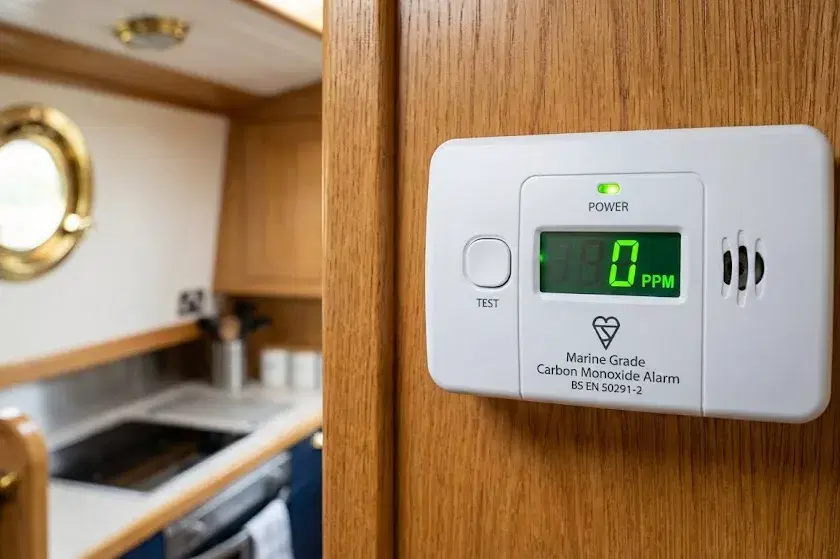
Guarding against the “silent killer” on a narrowboat, canal boat, or barge is built upon three non-negotiable pillars: installing certified[…]
Read more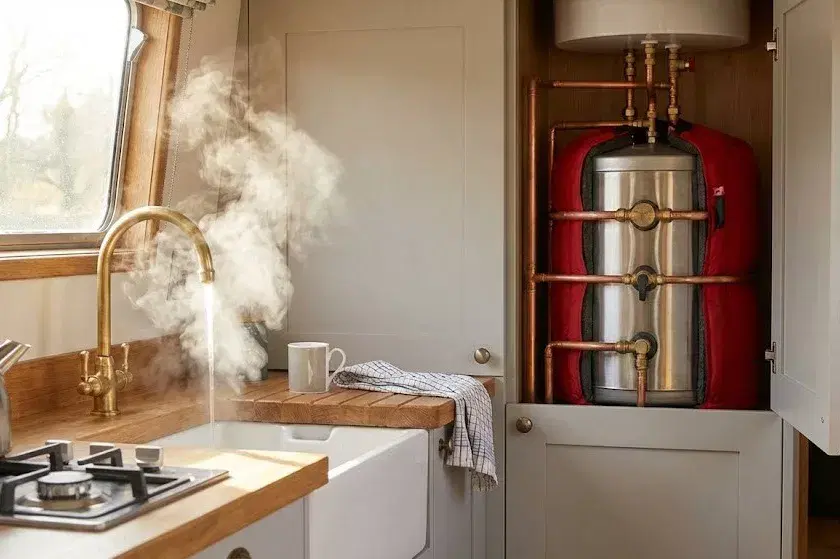
A reliable boat water heater is more than just a creature comfort; it is a fundamental component for making life[…]
Read more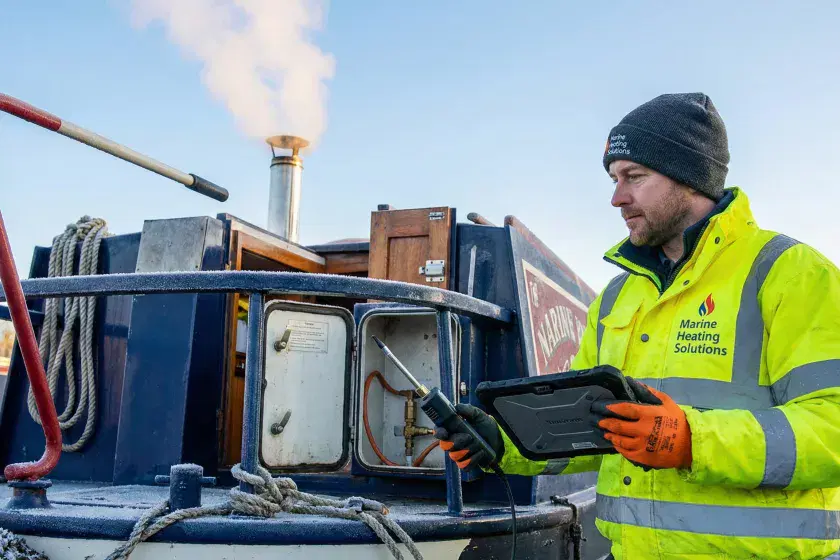
Securing a certified marine professional for your vessel’s LPG system is a critical step for any owner. Unlike a stationary[…]
Read more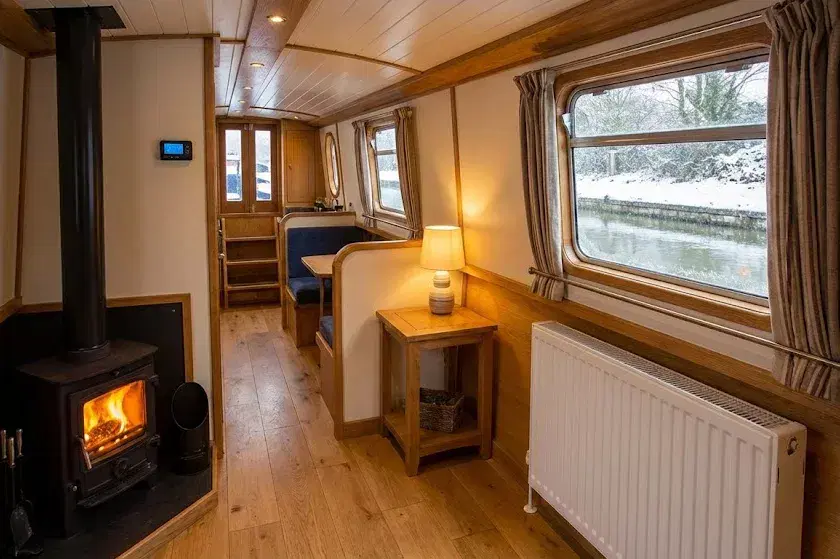
A reliable heating solution is the heartbeat of any narrowboat, especially for those who call the UK’s waterways home throughout[…]
Read more