The Foundations of Onboard Comfort
Choosing a toilet on a boat is one of the most significant decisions a vessel owner will make. Unlike a domestic bathroom, a marine “head” must operate under the constraints of limited space, restricted water usage, and strict environmental laws regarding waste disposal.
As we head into 2026, the industry is seeing a major shift toward high-efficiency electric macerators and sustainable composting solutions. Whether you are refitting a classic yacht or equipping a liveaboard narrowboat, understanding which system fits your lifestyle—and your plumbing—is essential for a trouble-free season on the water.
1. Manual vs. Electric: Which is Right for Me?
The first choice most owners face is whether to go for the simplicity of a manual pump or the convenience of an electric flush.
Manual Pump Toilets
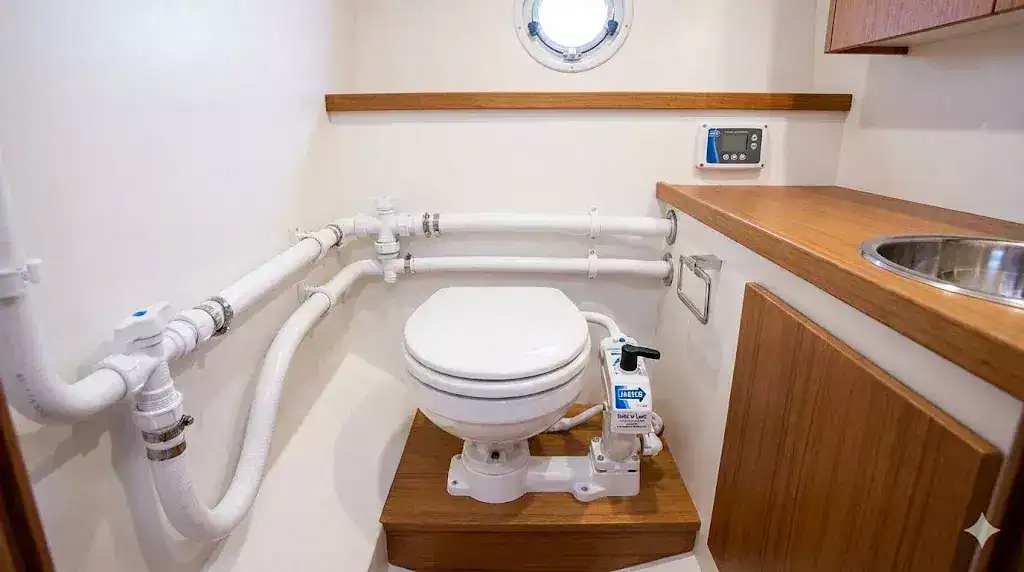
Models like the Jabsco Twist ‘n’ Lock remain the gold standard for reliability. They require no electrical power, making them ideal for blue-water sailors or those with limited battery capacity.
- Pros: Cost-effective, easy to service, and works during a total power failure.
- Cons: Requires manual effort and can be prone to “user error” (over-pumping or under-pumping).
Electric Macerating Toilets
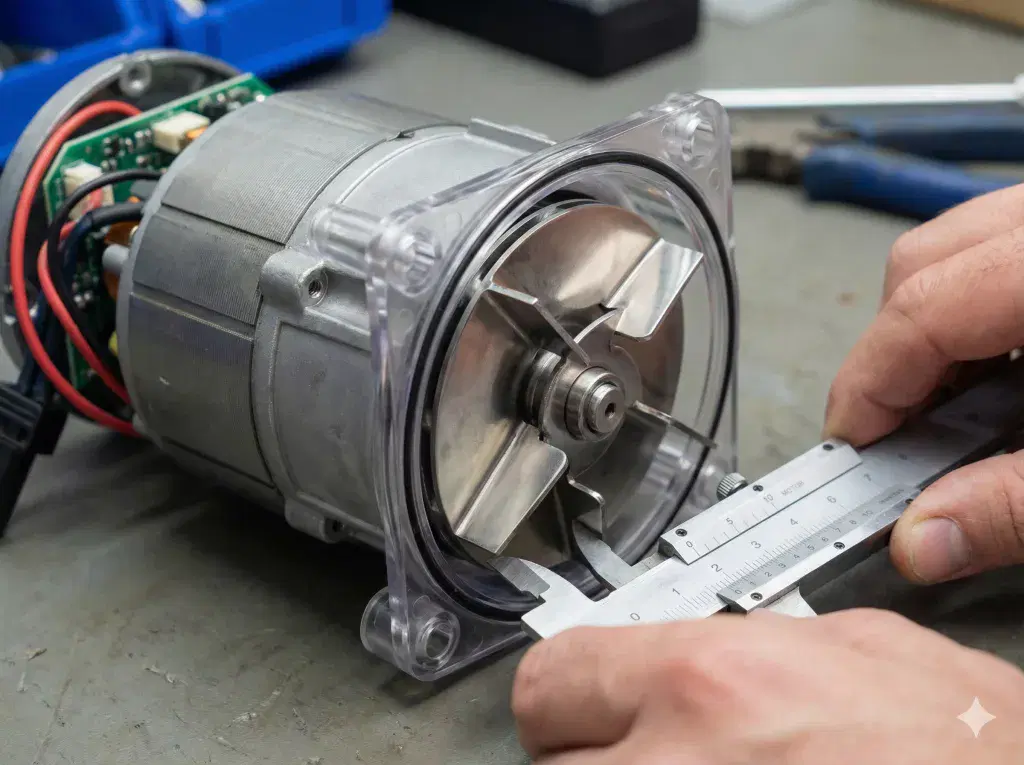
For 2026, electric models from Dometic and Tecma have become increasingly popular. These units use a high-speed blade to grind waste into a fine slurry, making it much easier to pump through small-diameter pipework into a holding tank.
- Pros: Domestic-style ease of use, smaller discharge pipes, and less water usage.
- Cons: Higher current draw on your 12V system and louder operation.
2. Waste Management: Holding Tanks & Legalities
In the UK, the Canal & River Trust and the Environment Agency enforce strict “no discharge” rules on most inland waterways. This means your system must include a robust holding tank.
Pump-Out vs. Cassette
- Pump-Out Systems: These utilise a large, fixed holding tank (often 200+ litres) that is emptied at a marina using a suction hose. It offers the most “domestic” feel but requires planning your route around pump-out stations.
- Cassette Toilets: Popular on smaller narrowboats and camper-vans, these use a removable 20-litre tank. They are easier to empty at any “Elsan” point but require frequent trips to the disposal station.
3. Maintenance: Preventing the Dreaded “Marine Smell”
The “boat smell” most owners fear is almost always caused by permeate, when waste sits in low-quality hoses, and the odour molecules seep through the rubber.
Pro-Tips for 2026 Maintenance:
- Use Sanitation-Grade Hose: Always use smooth-bore, butane-reinforced sanitation hose. Standard PVC will smell within months.
- The Vinegar Flush: To prevent calcium build-up (which causes pumps to seize), flush a cup of white vinegar through the system once a month and let it sit for 20 minutes before flushing through.
- Seal Lubrication: Occasionally, add a tablespoon of vegetable oil or a dedicated “toilet lubricant” to keep the piston seals supple in manual pumps.
4. Safety & BSS Compliance
Your marine toilet installation is a key part of your Boat Safety Scheme (BSS) inspection.
- Anti-Syphon Loops: If your toilet is mounted below the waterline, it must have a vented anti-syphon loop on the discharge line. Without this, a faulty valve could allow the ocean (or river) to flood your boat.
- Electrical Fusing: Electric toilets must be on a dedicated circuit with an appropriately rated fuse to prevent motor burnout from stalling the macerator.
Upgrading your heating while refitting your heads? View our Webasto Heater Repair Guide.
Conclusion: Investing in Reliability
A marine toilet is not the place to cut corners. By selecting a high-quality unit and ensuring it is installed with the correct anti-syphon loops and sanitation-grade hoses, you protect both your vessel’s value and your onboard comfort.
Comments are closed.